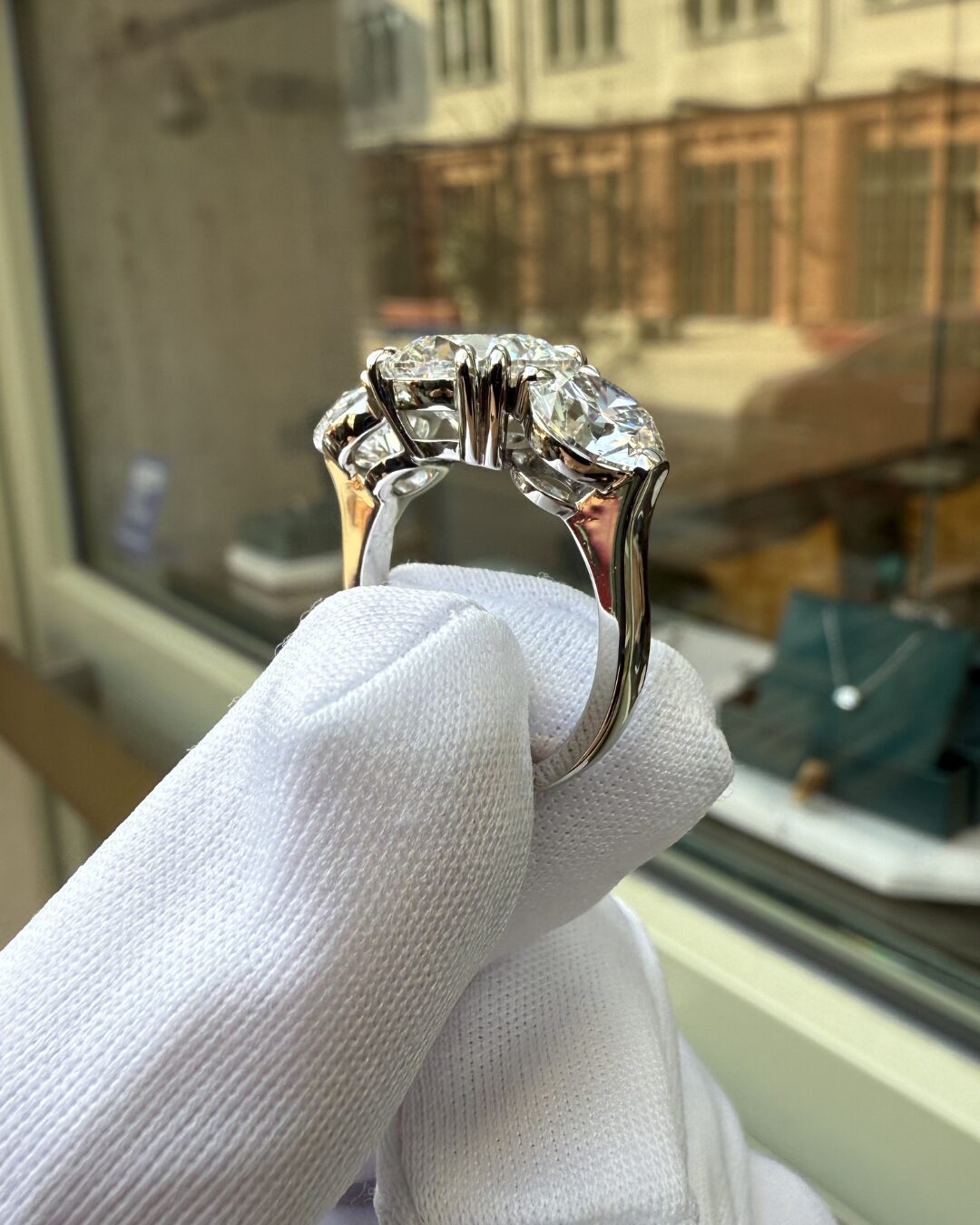
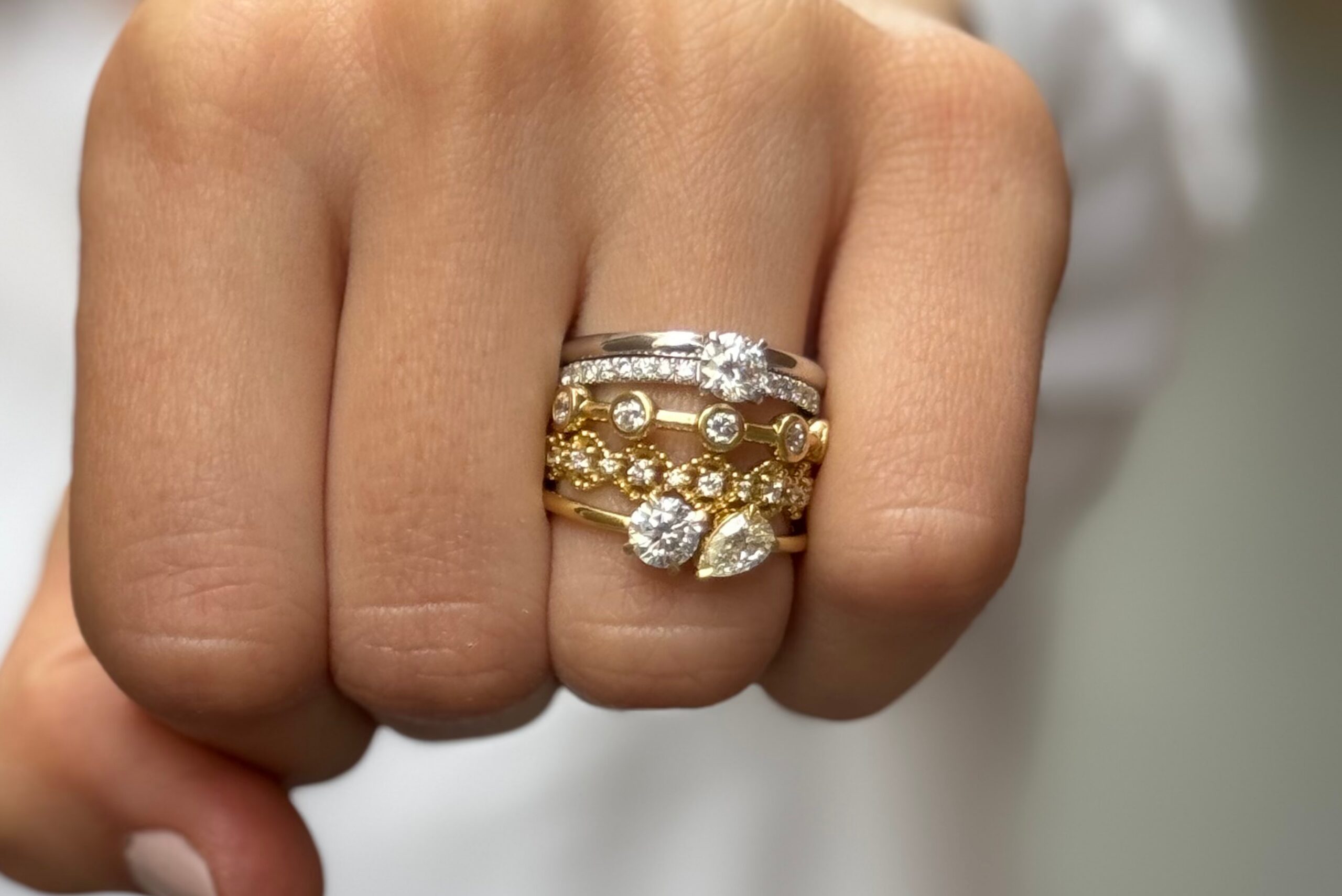
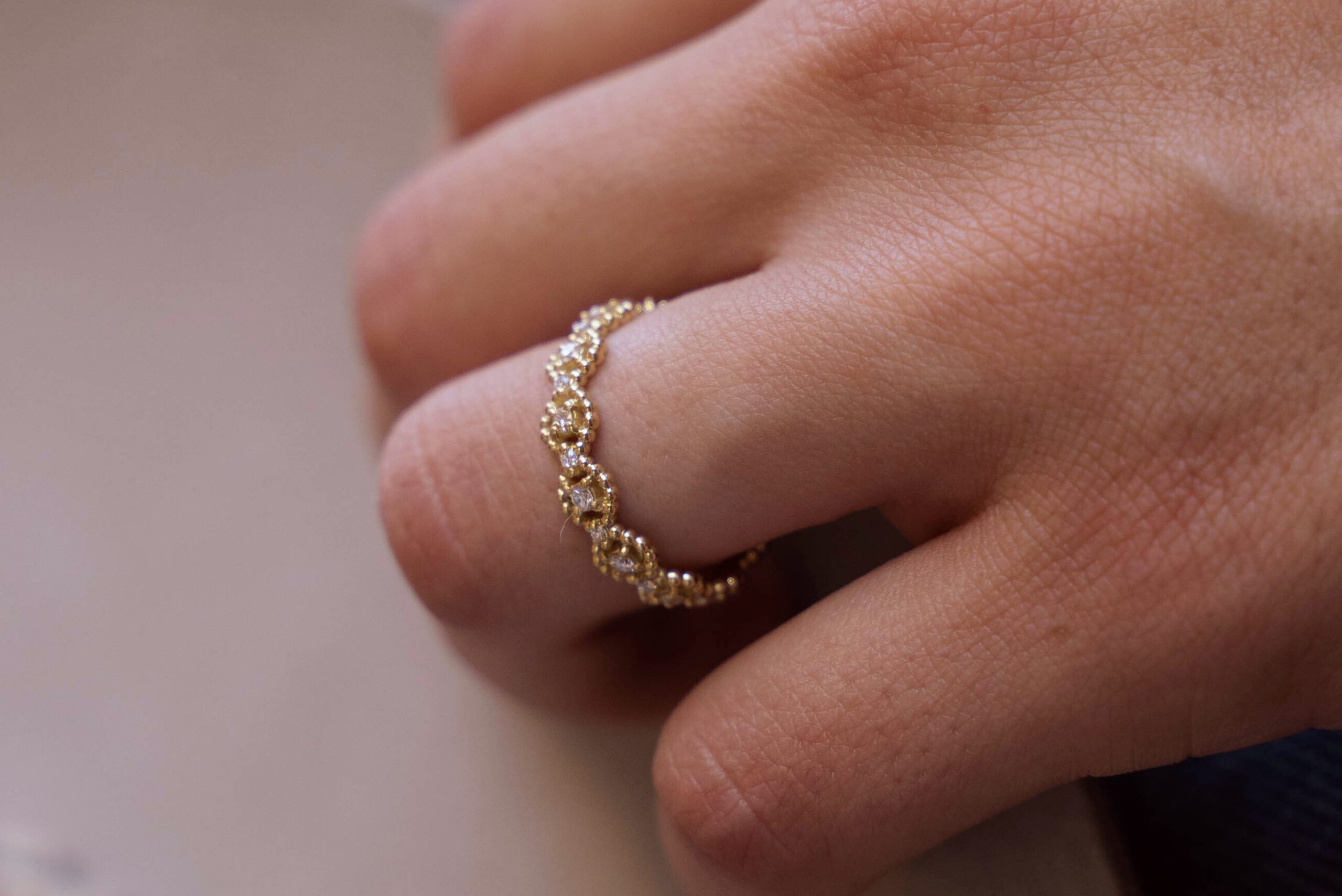
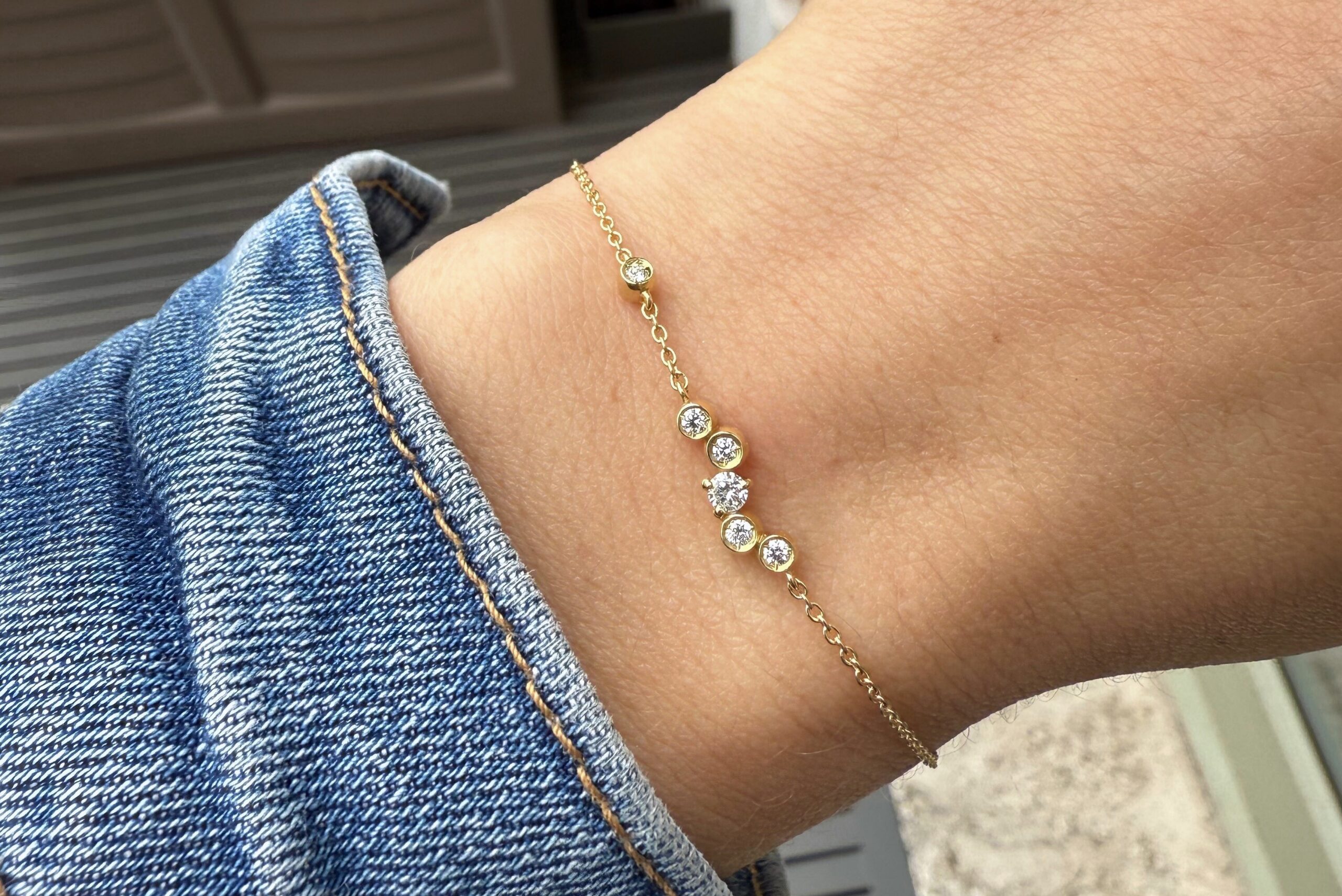
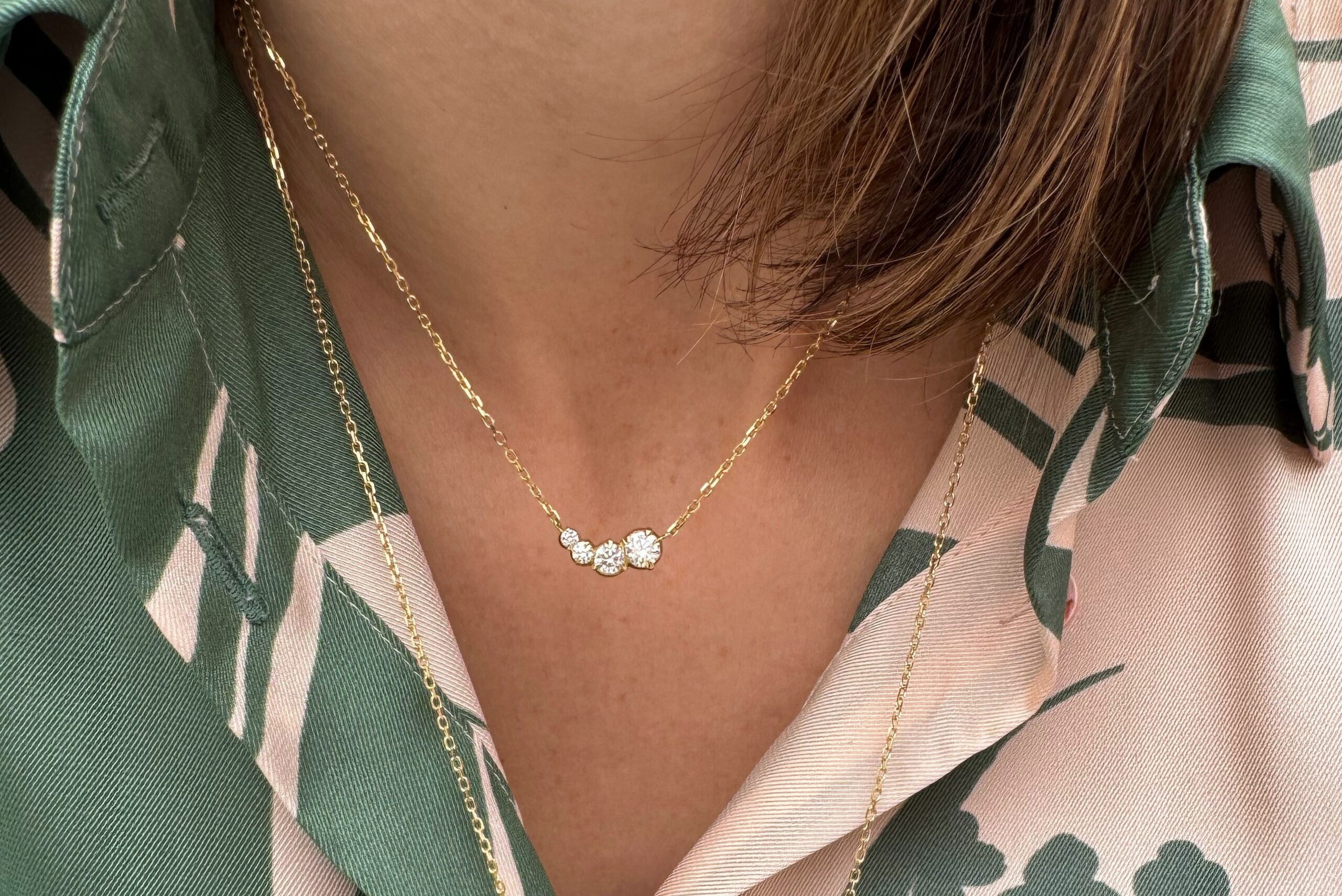


950 PLATINUM JEWELLERY: A METAL WITH A DIFFERENT STORY
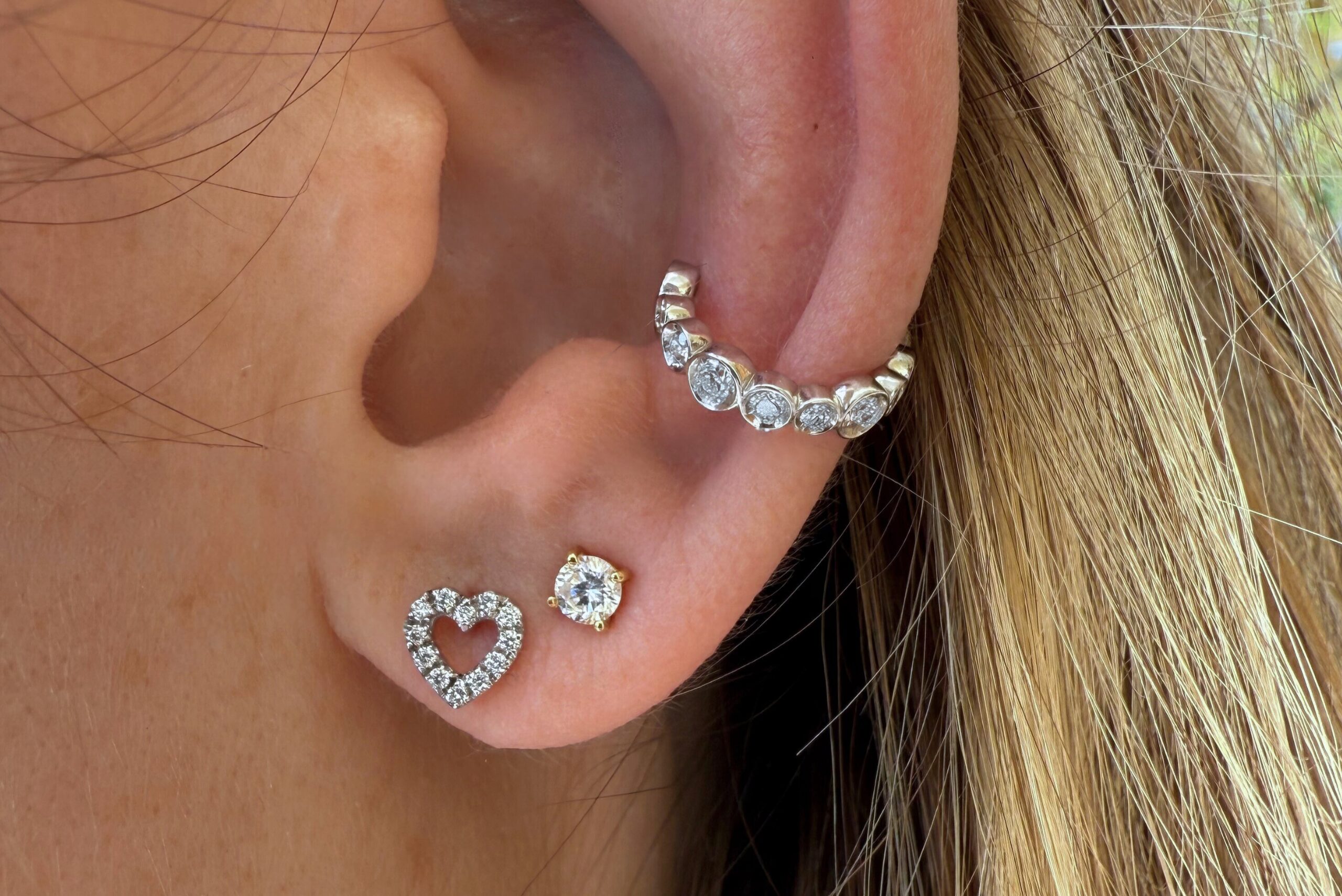
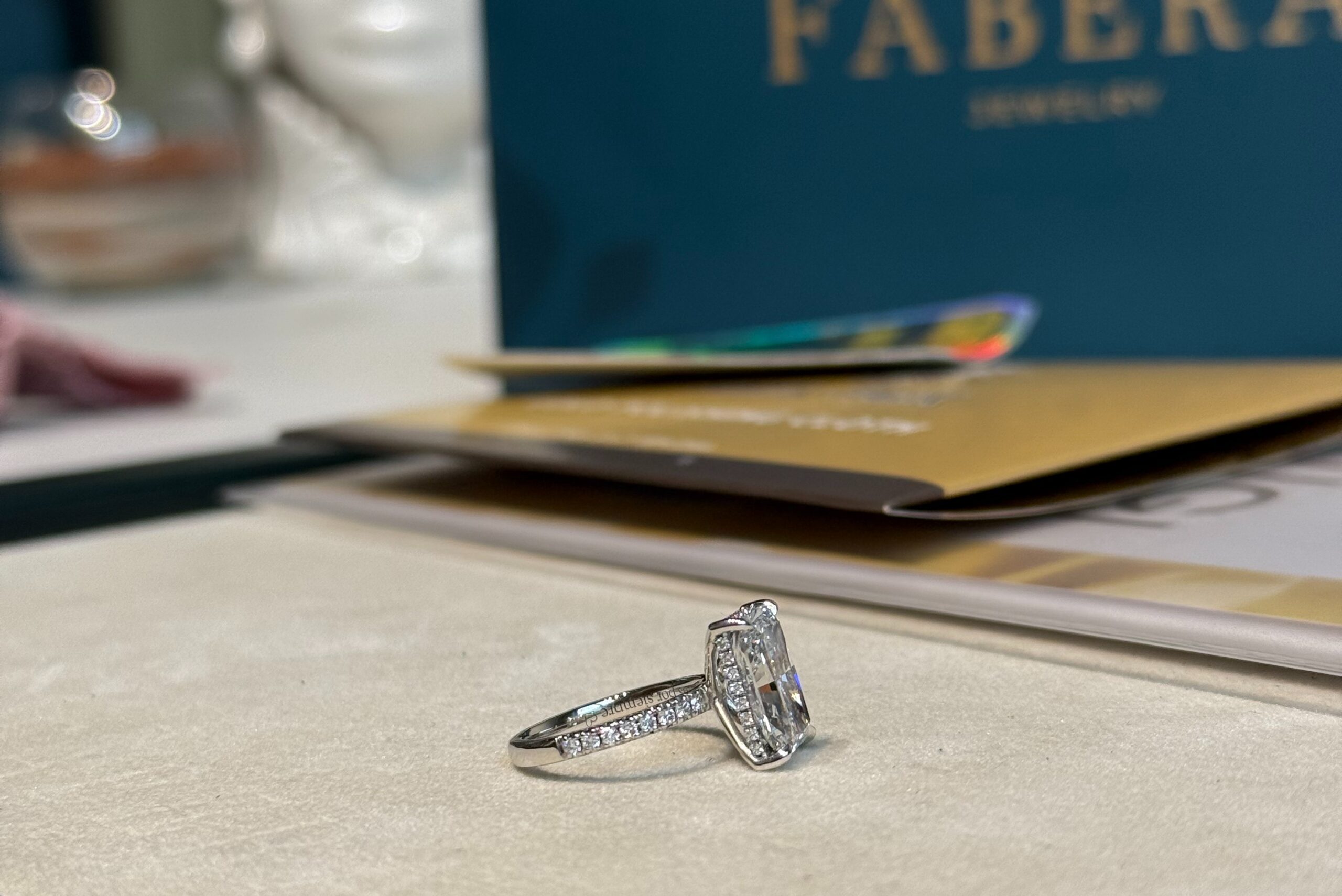
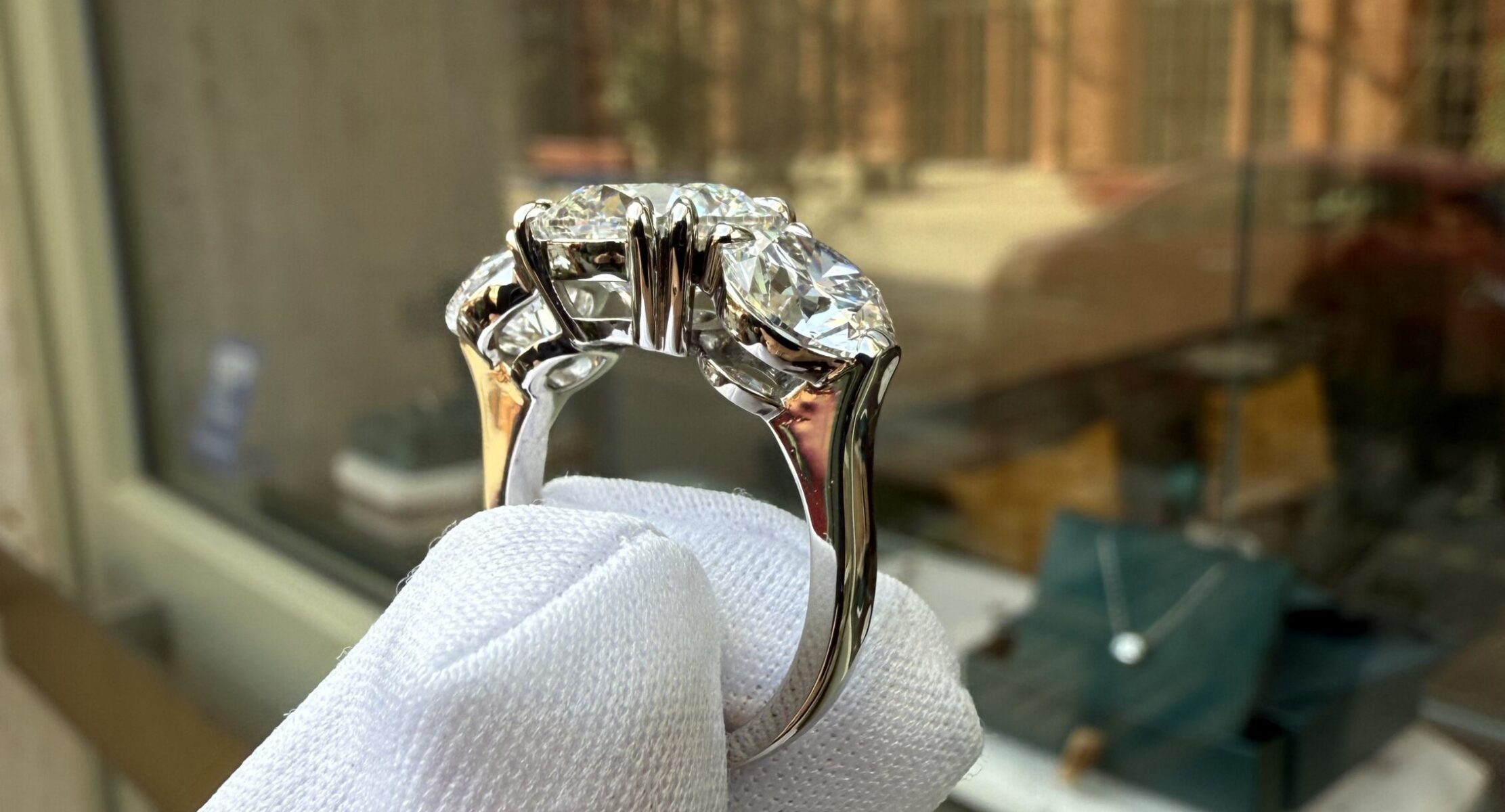
Platinum is one of the rarest and most precious metals in the world. Rarer than gold, denser, naturally white. And yet for years it stayed in the background, reserved for high-end jewellery and those who truly knew it.
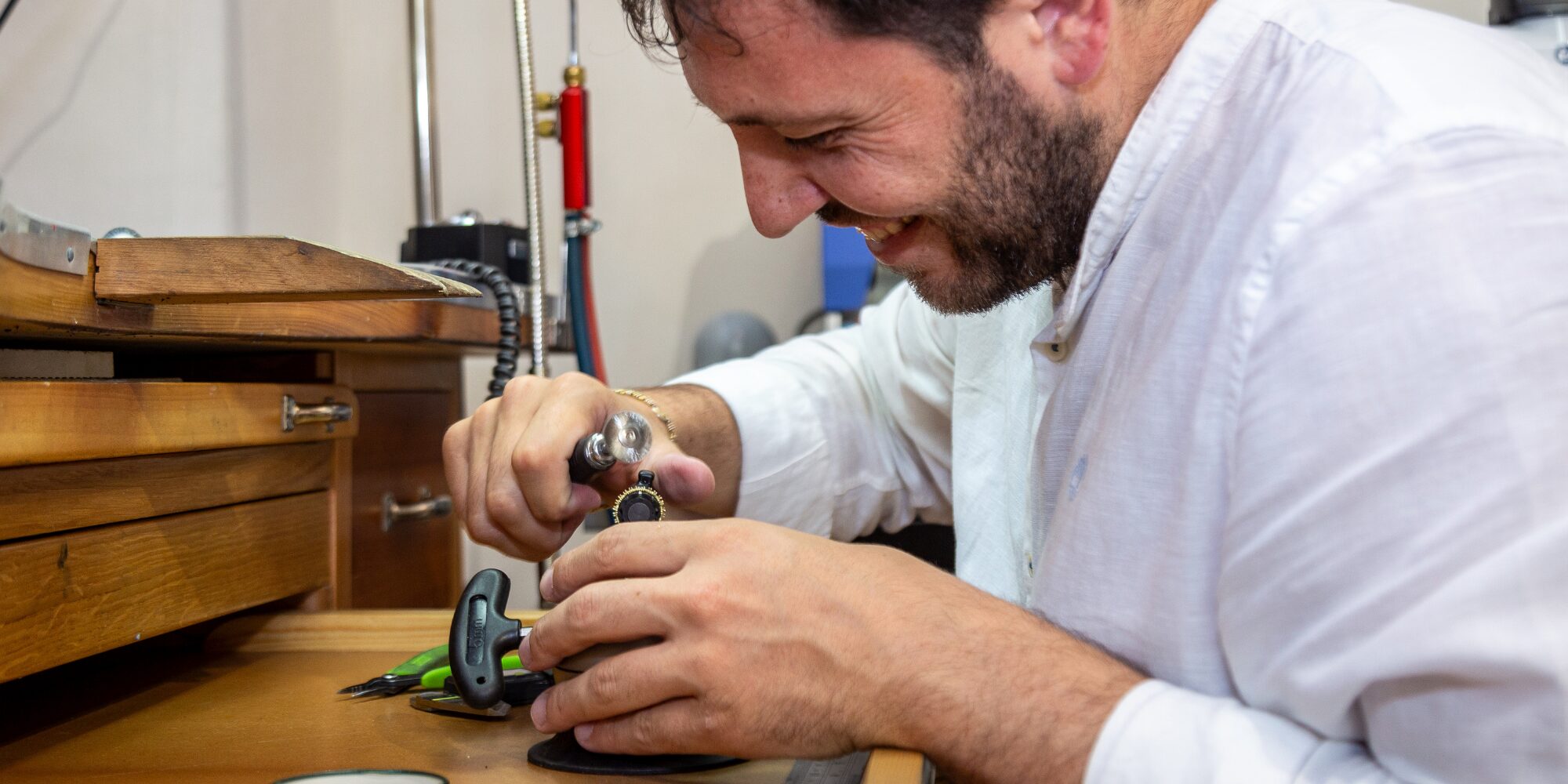
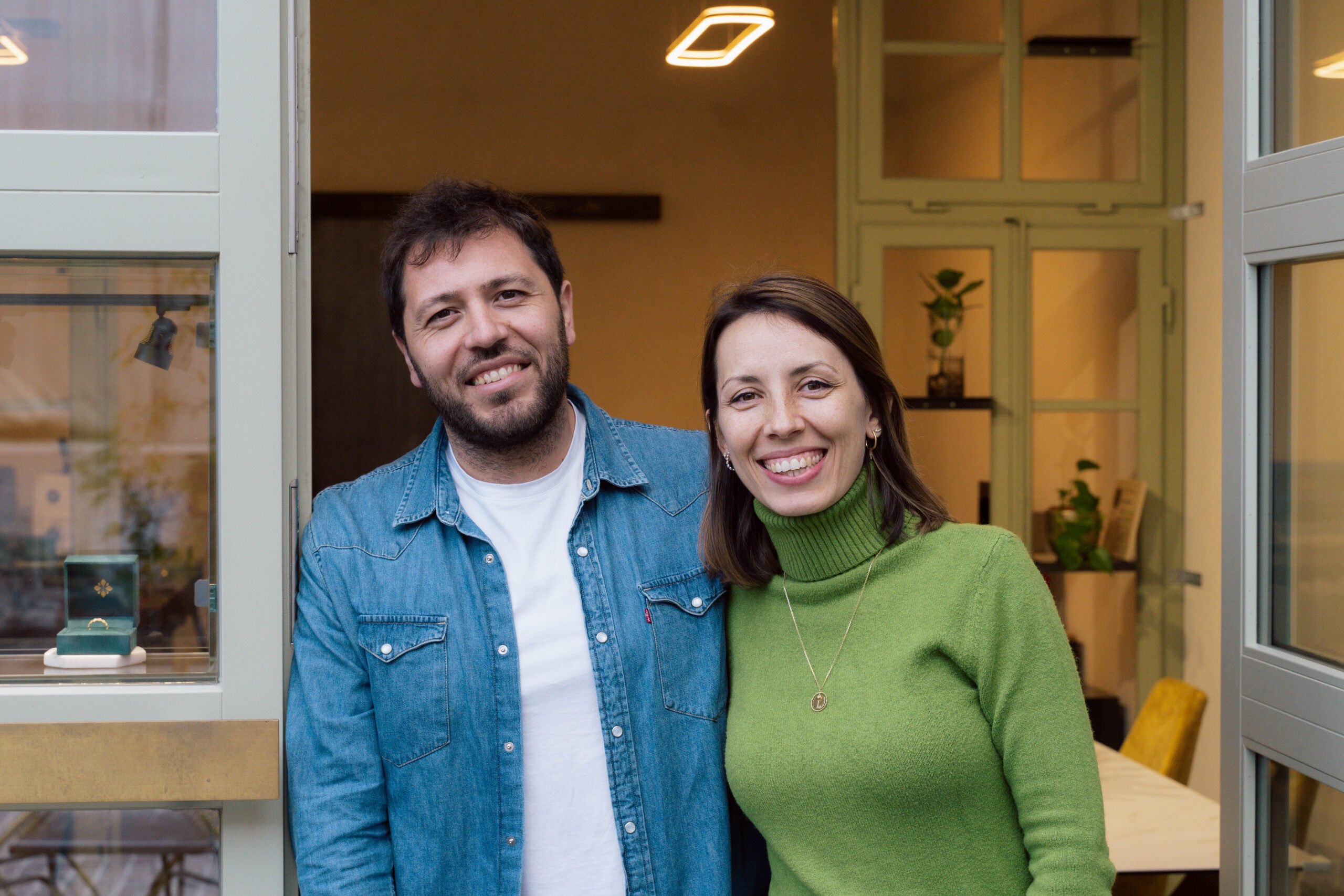
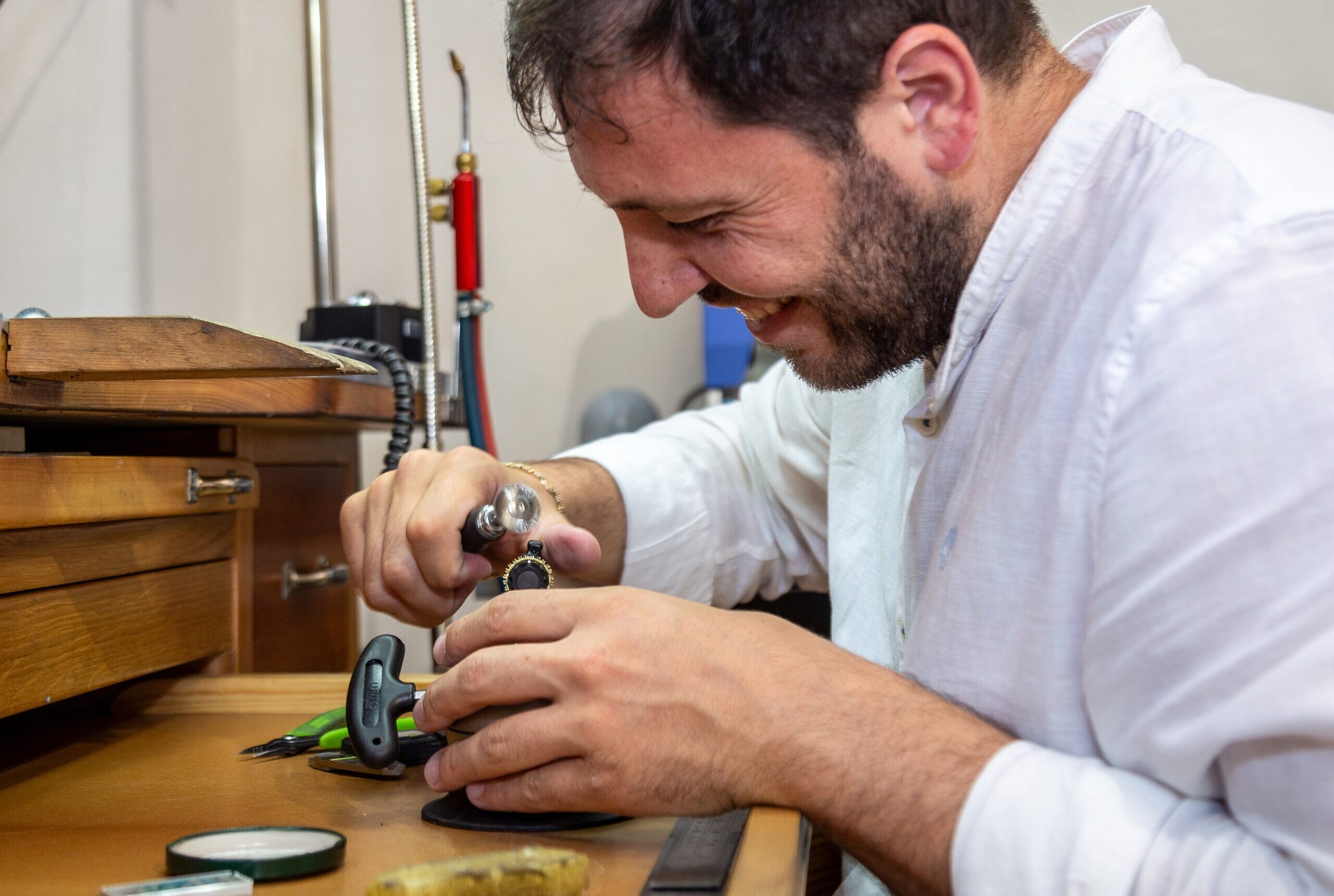
We first encountered it when Fabio was working in fine jewellery workshops in London. He knew it well, understood its properties, knew how to work it. When several international clients started asking for it, the decision was natural: find a reliable supplier and introduce it as an alternative to white gold, for those who want it.
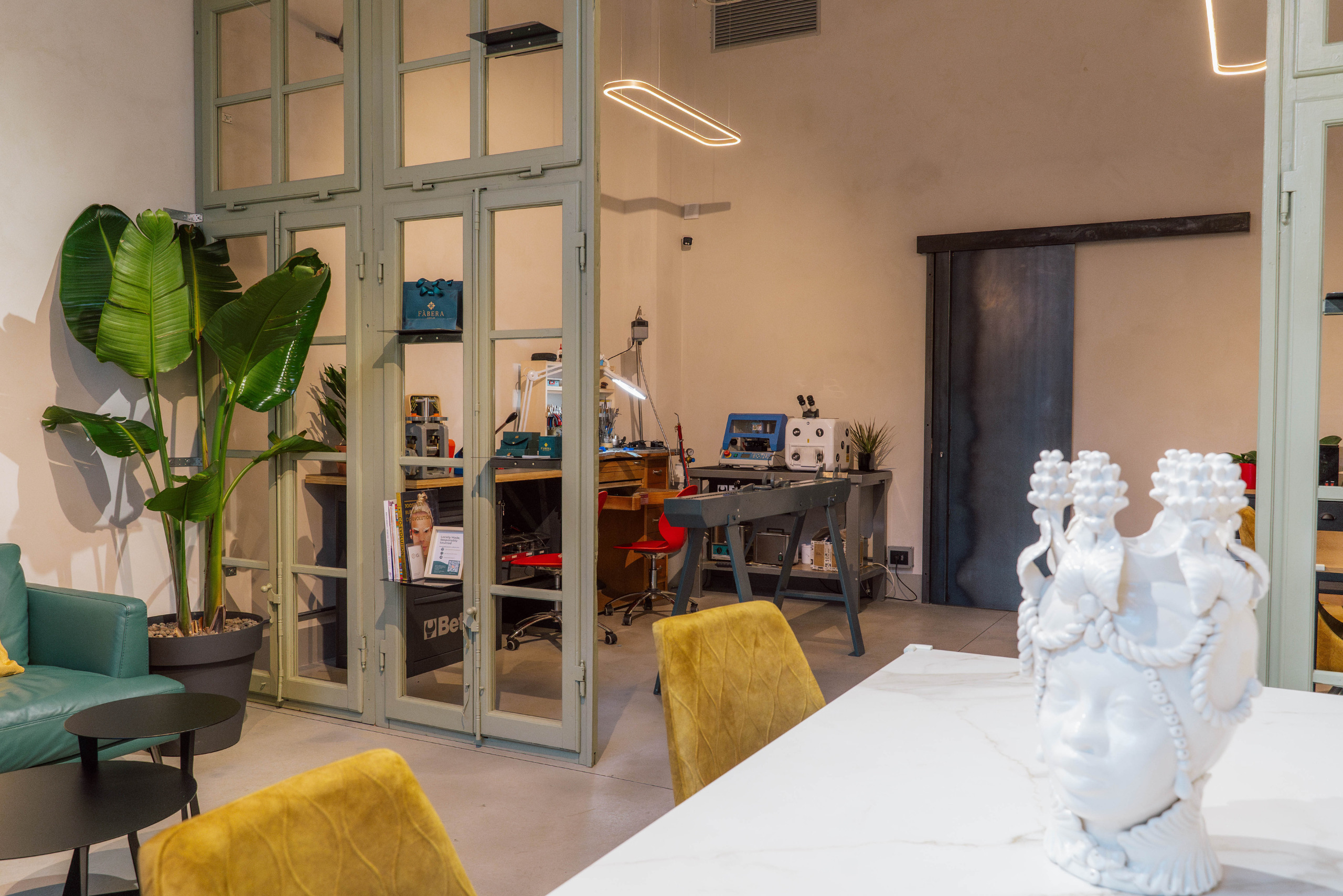
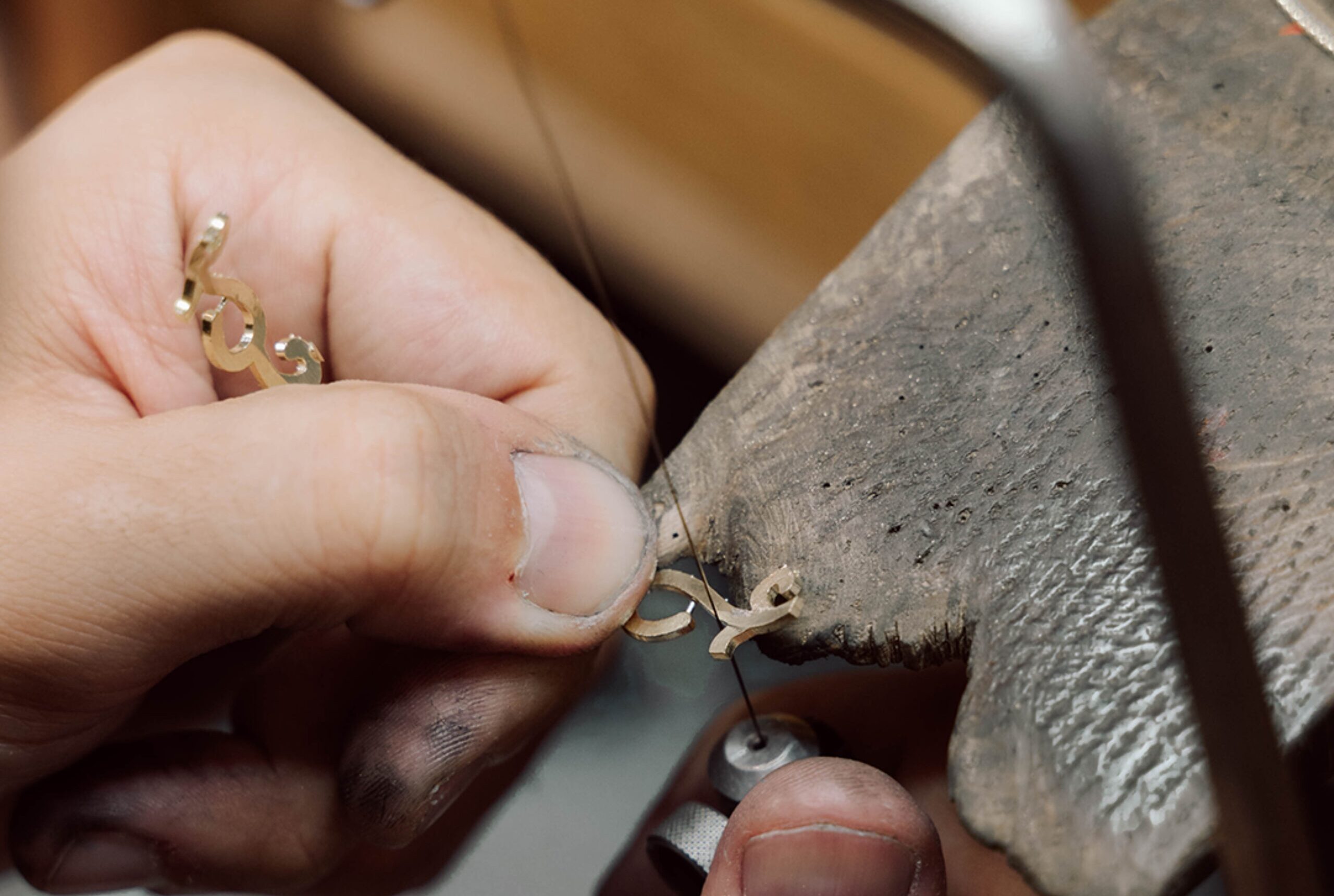
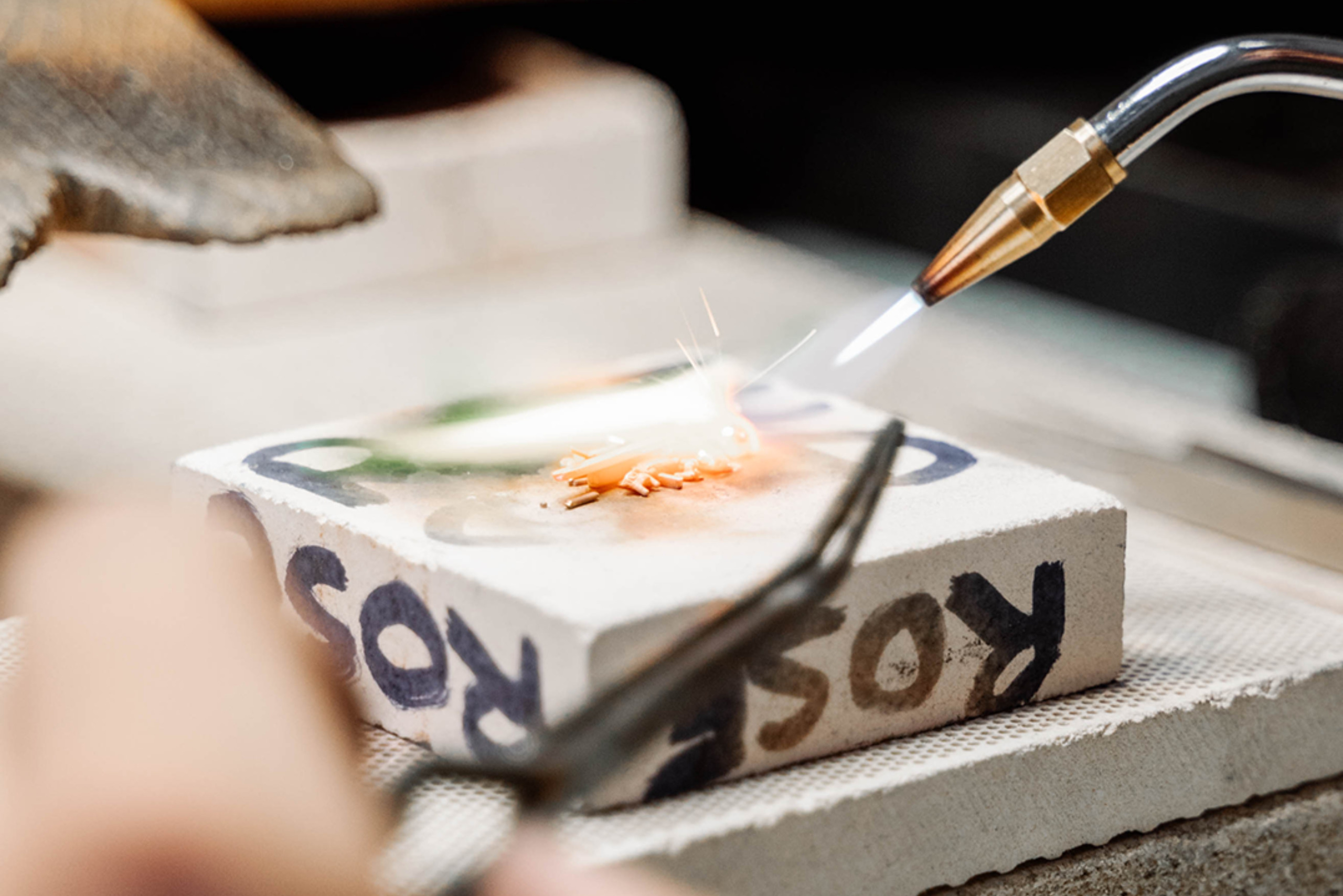
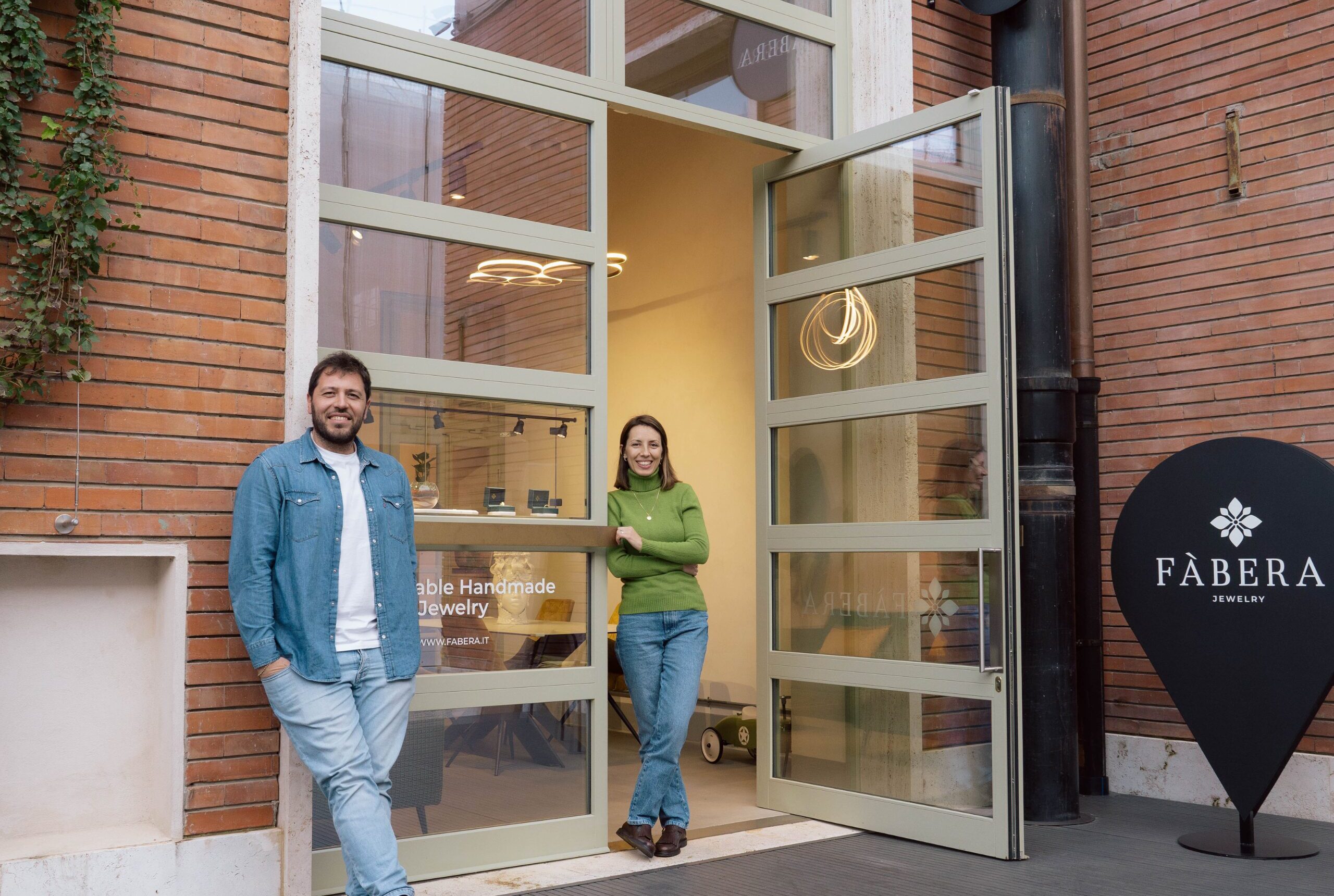
Today we work it by hand in our Florence Atelier, at Manifattura Tabacchi, with the same care we put into every piece.
What is 950 platinum
The number 950 refers to purity: 95% pure platinum, with the remaining 5% made up of alloys such as ruthenium or cobalt, which increase hardness. It’s the standard purity grade in fine jewellery, the same principle as 18k gold, which indicates 75% pure gold.
It’s a naturally white metal. It needs no plating to maintain its colour, it doesn’t yellow over time, and it’s unlikely to cause allergic reactions. For those with sensitive skin or who have had reactions to other metals, it’s often the safest choice.
How it behaves over time
With everyday wear, platinum develops what’s known as a patina, a slightly matte finish that forms on the surface. This is not a flaw, and it doesn’t mean the metal is wearing away. On the contrary: unlike gold, which loses material when scratched, platinum simply displaces on the surface without any loss. A professional polish restores it completely, though many choose to keep the patina, appreciating it as a natural mark of time.
It weighs about 40% more than white gold but in practice we’re talking just a few grams. On the finger it feels slightly more substantial, which many find pleasing.
The differences from white gold
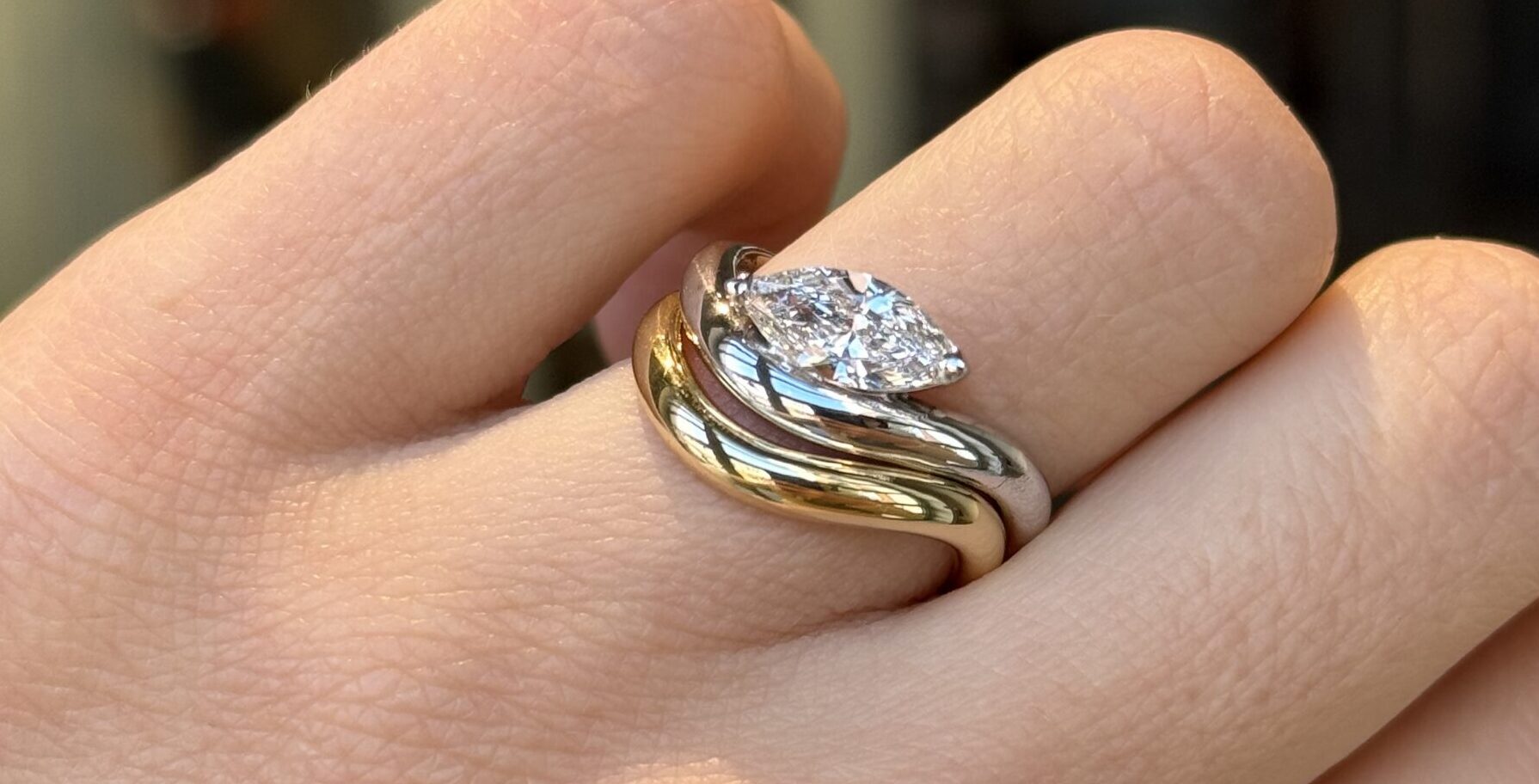
White gold is yellow gold worked with white alloys and rhodium plated to achieve the colour we know. It’s beautiful, but over time the plating wears off and needs renewing, every one to two years, depending on how often it’s worn. Platinum has no such maintenance cycle: it’s white by nature, and stays that way.
It’s not a question of which is better in absolute terms. It’s a question of lifestyle, personal preference, and how you want to live with your jewellery.
The aspect that’s never secondary for us: traceability
Every time we introduce a new material, the first question we ask is: do we know where it comes from? For platinum, the honest answer is that the journey is still in progress.
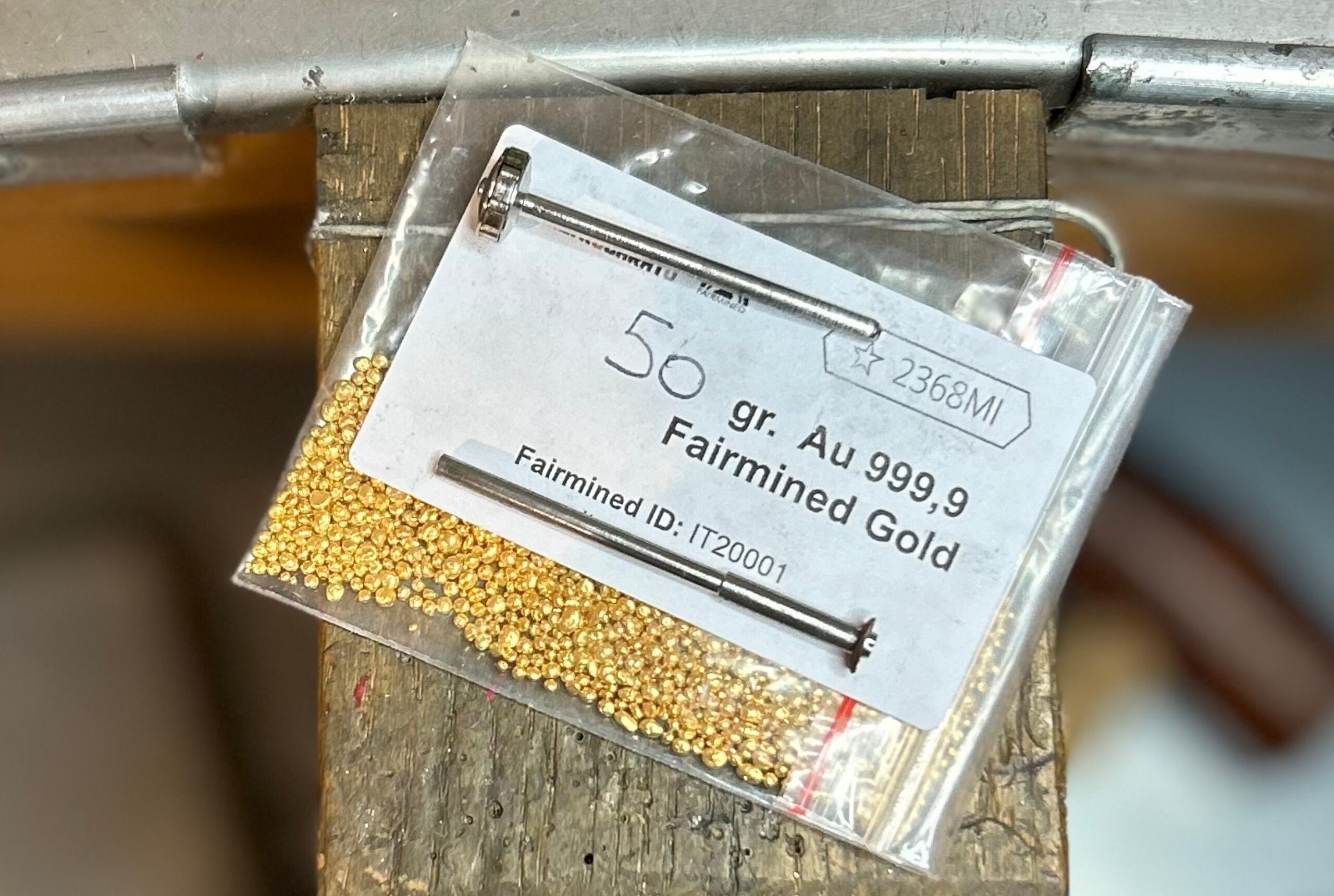
There is no ethical standard for platinum equivalent to Fairmined gold. Our supplier is RJC certified – Responsible Jewellery Council – an industry reference standard for responsible practices throughout the supply chain. It’s a starting point, not a finishing line. Platinum mining has a significant environmental impact, and we say this openly, without hiding it behind reassuring language. We are actively looking for stronger certifications and will continue to do so.
Transparency, for us, is not a slogan.
How we offer it
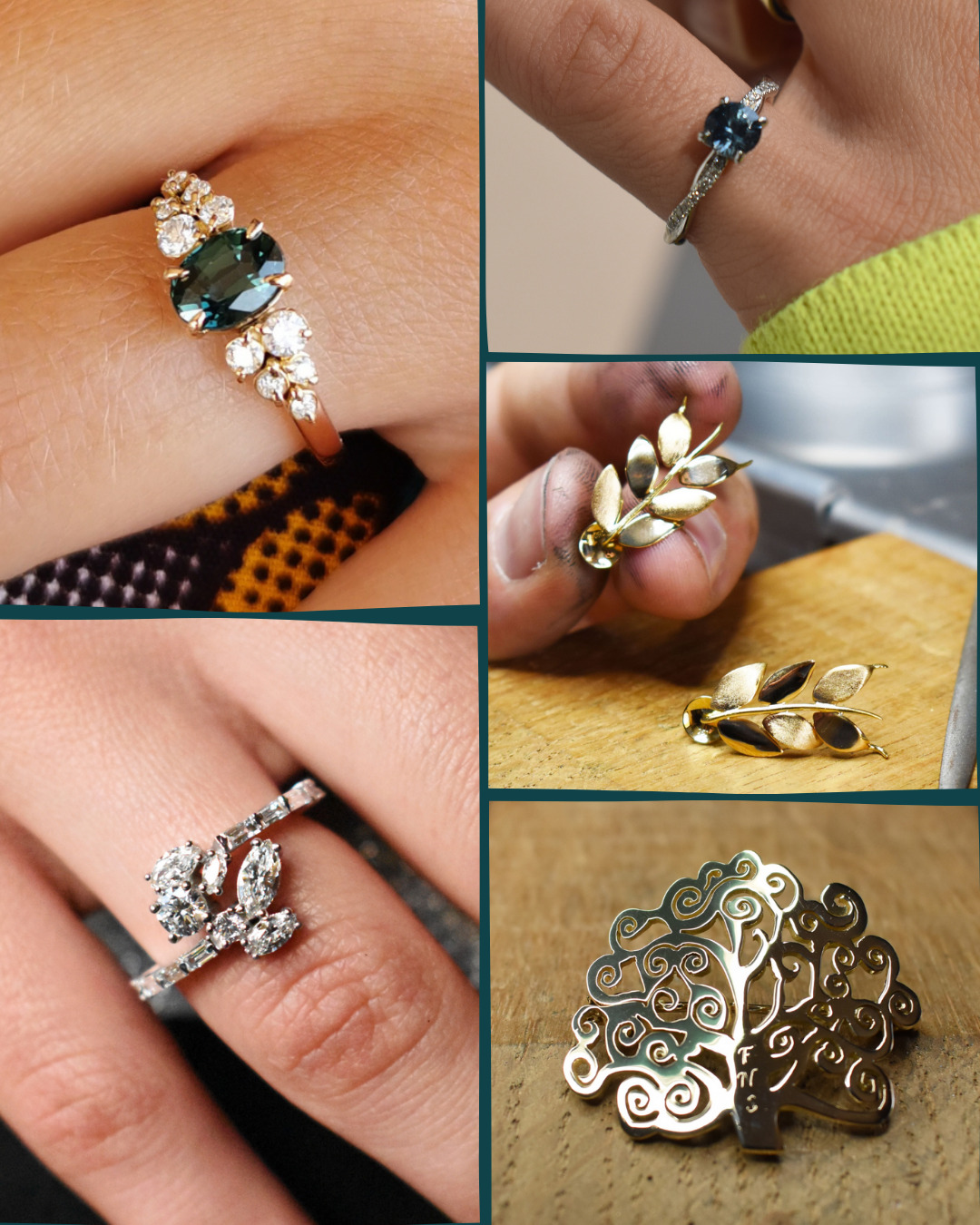
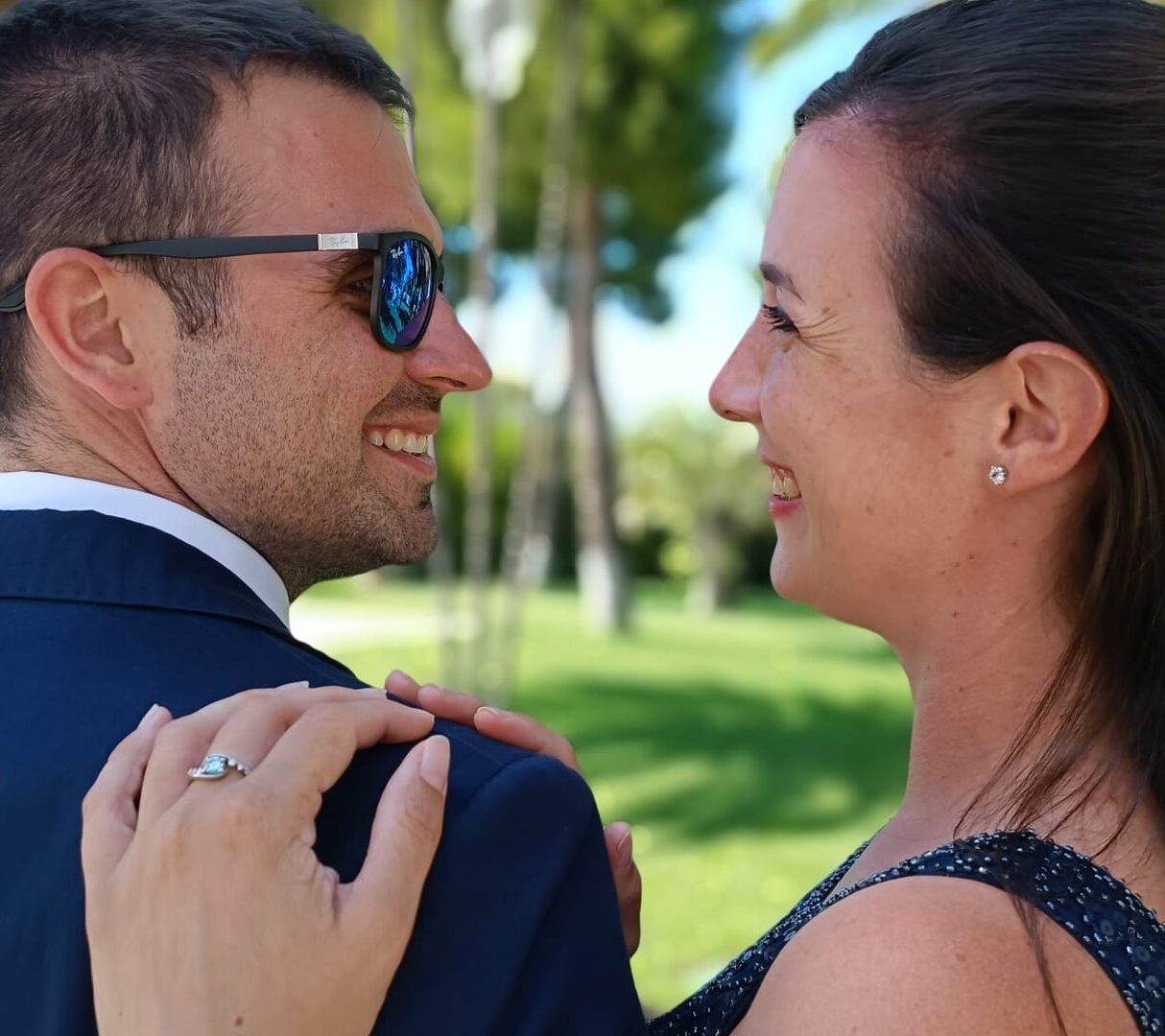
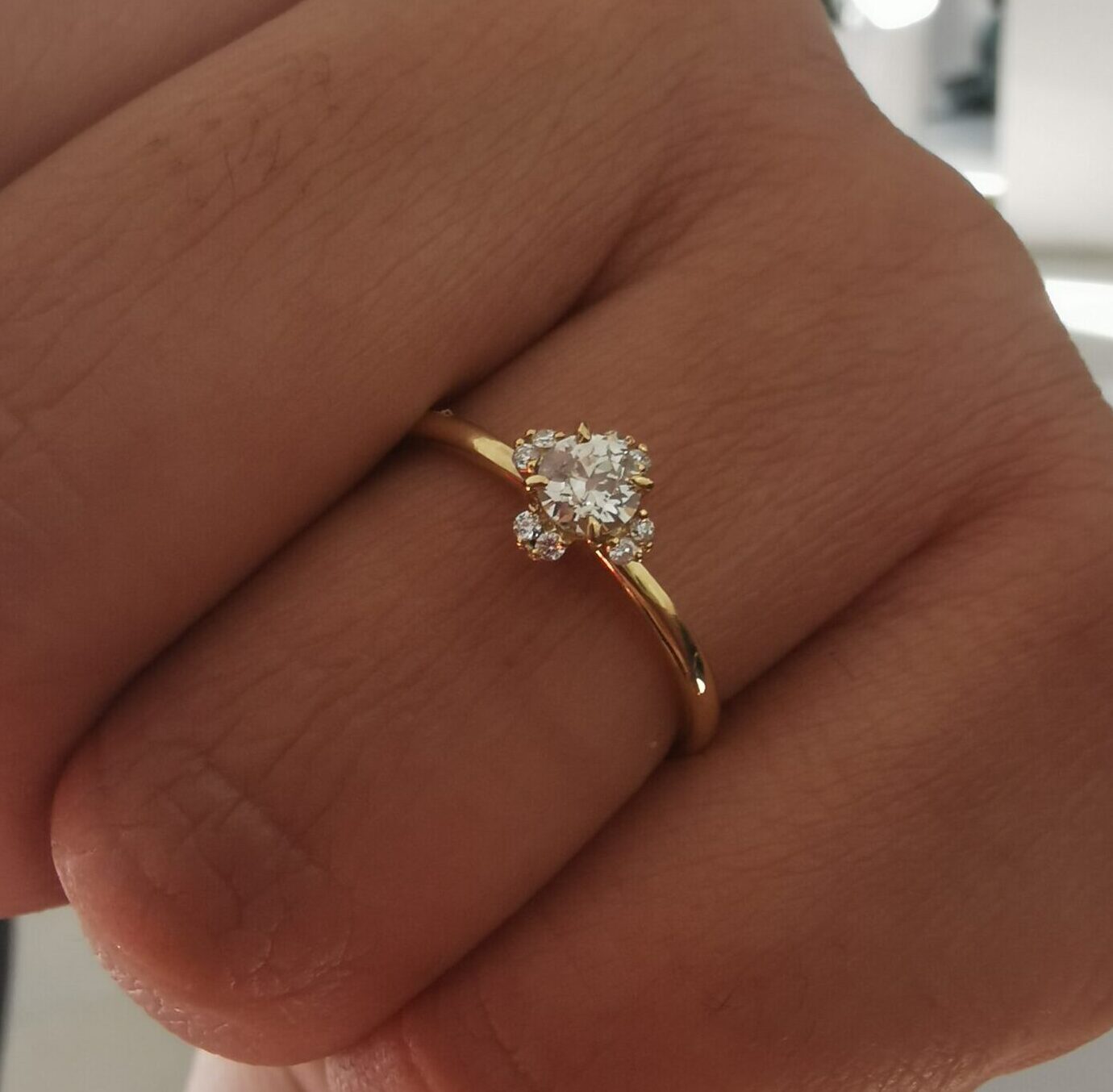
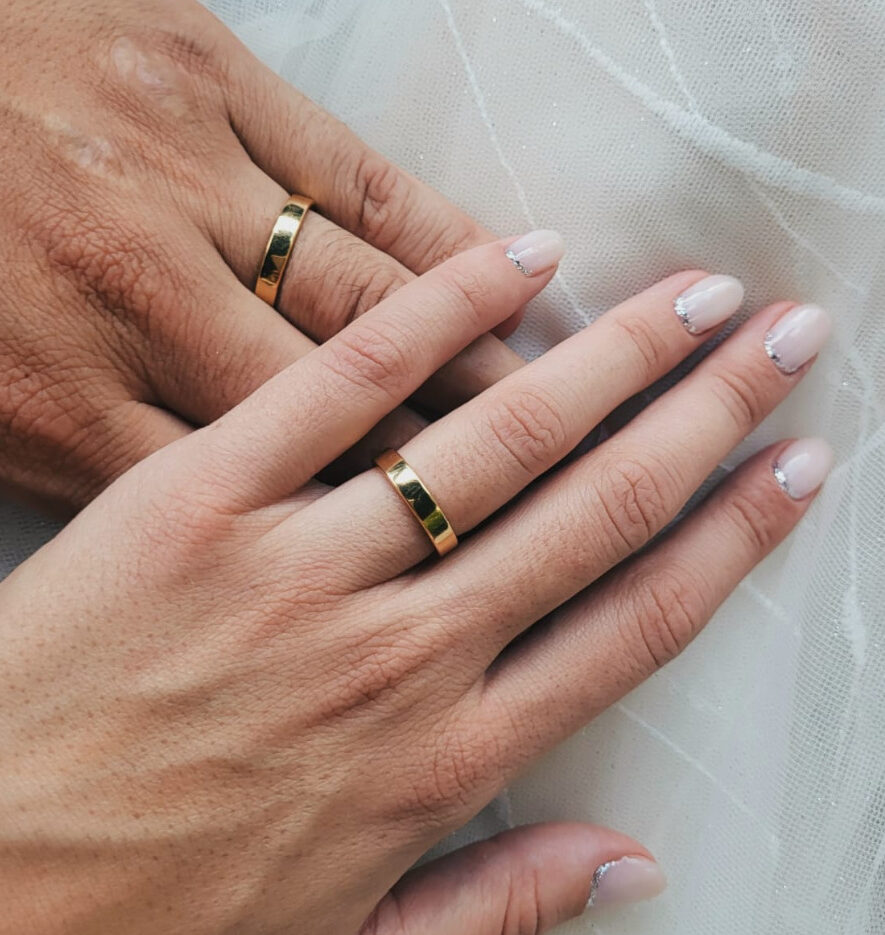
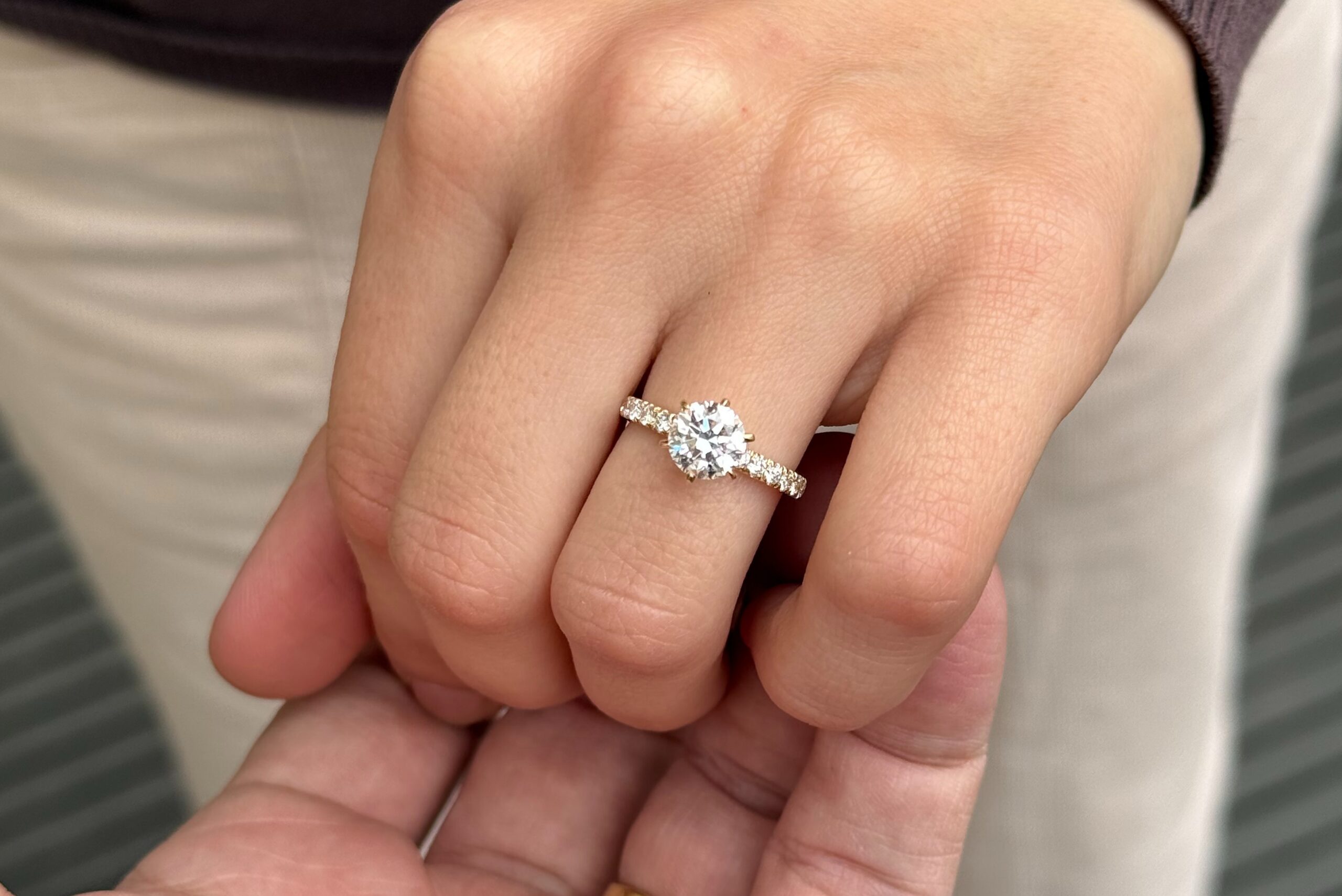
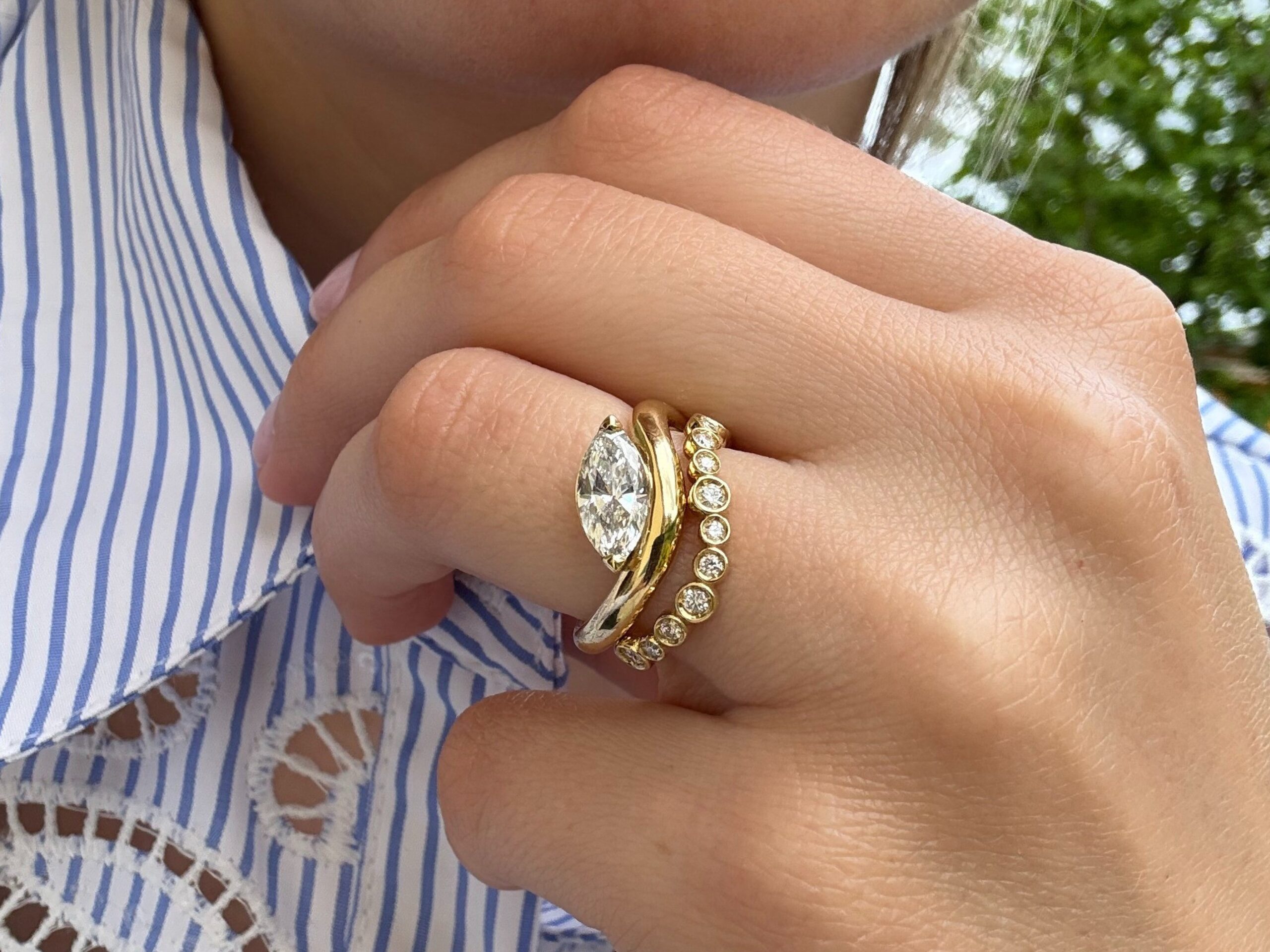
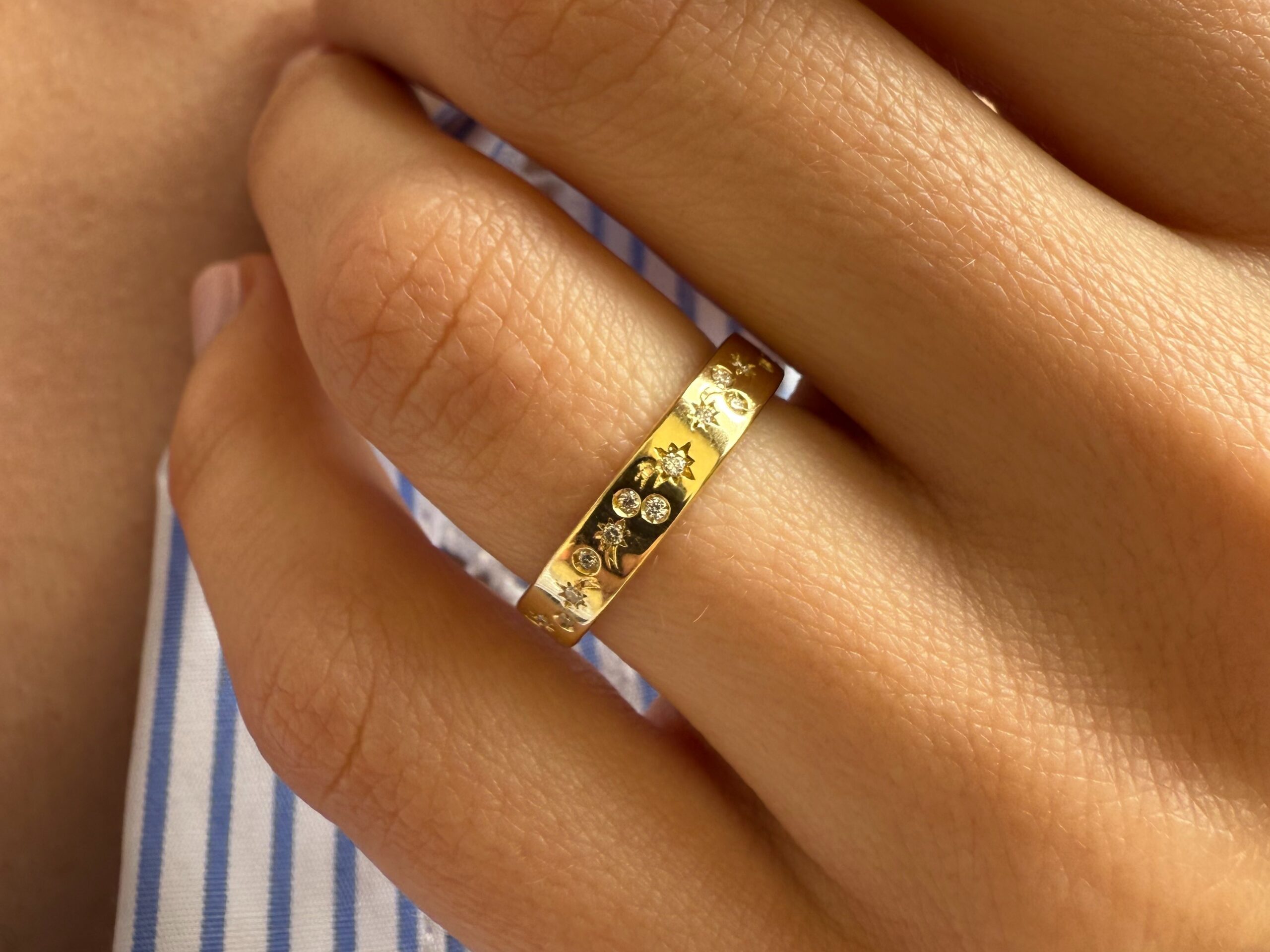
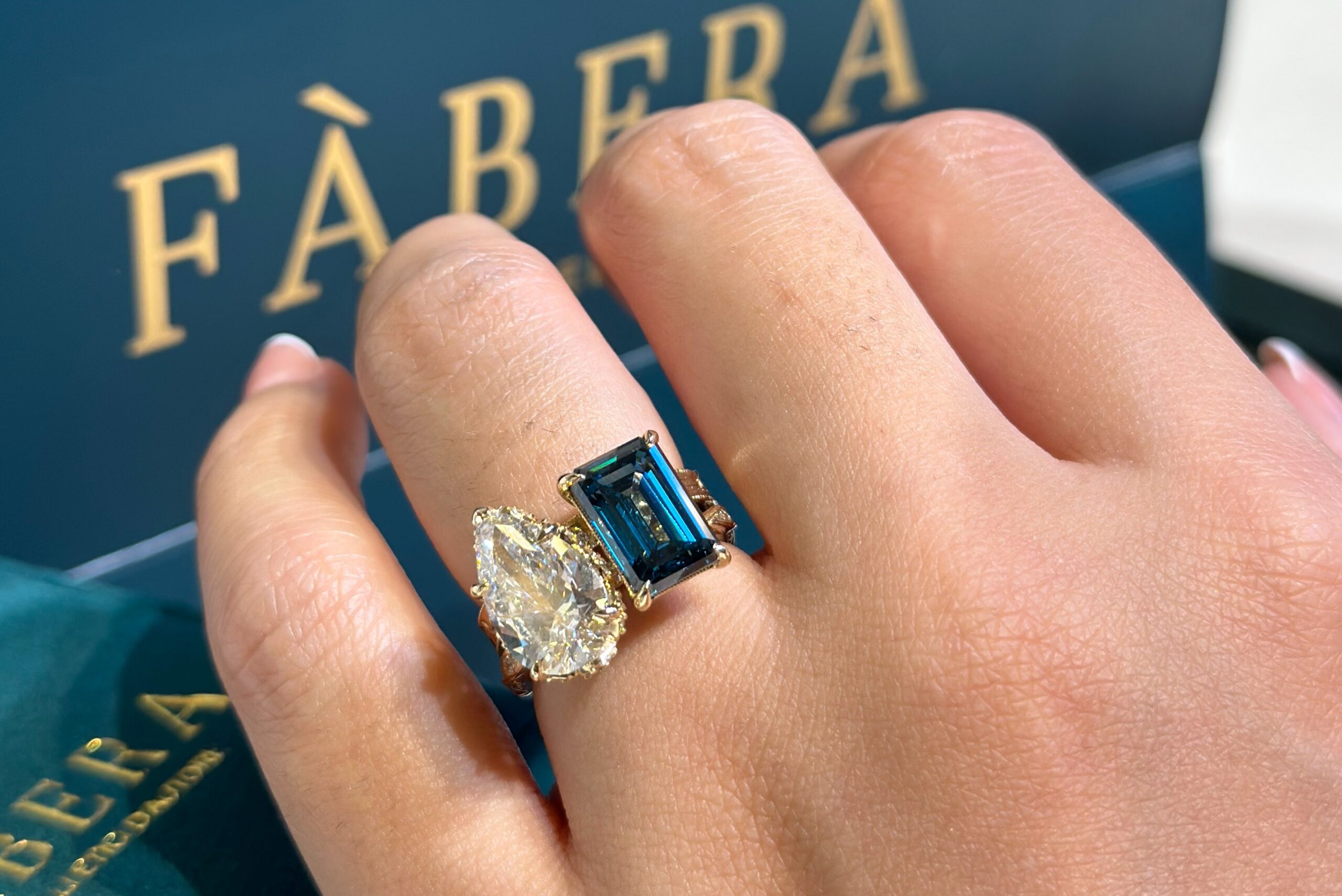
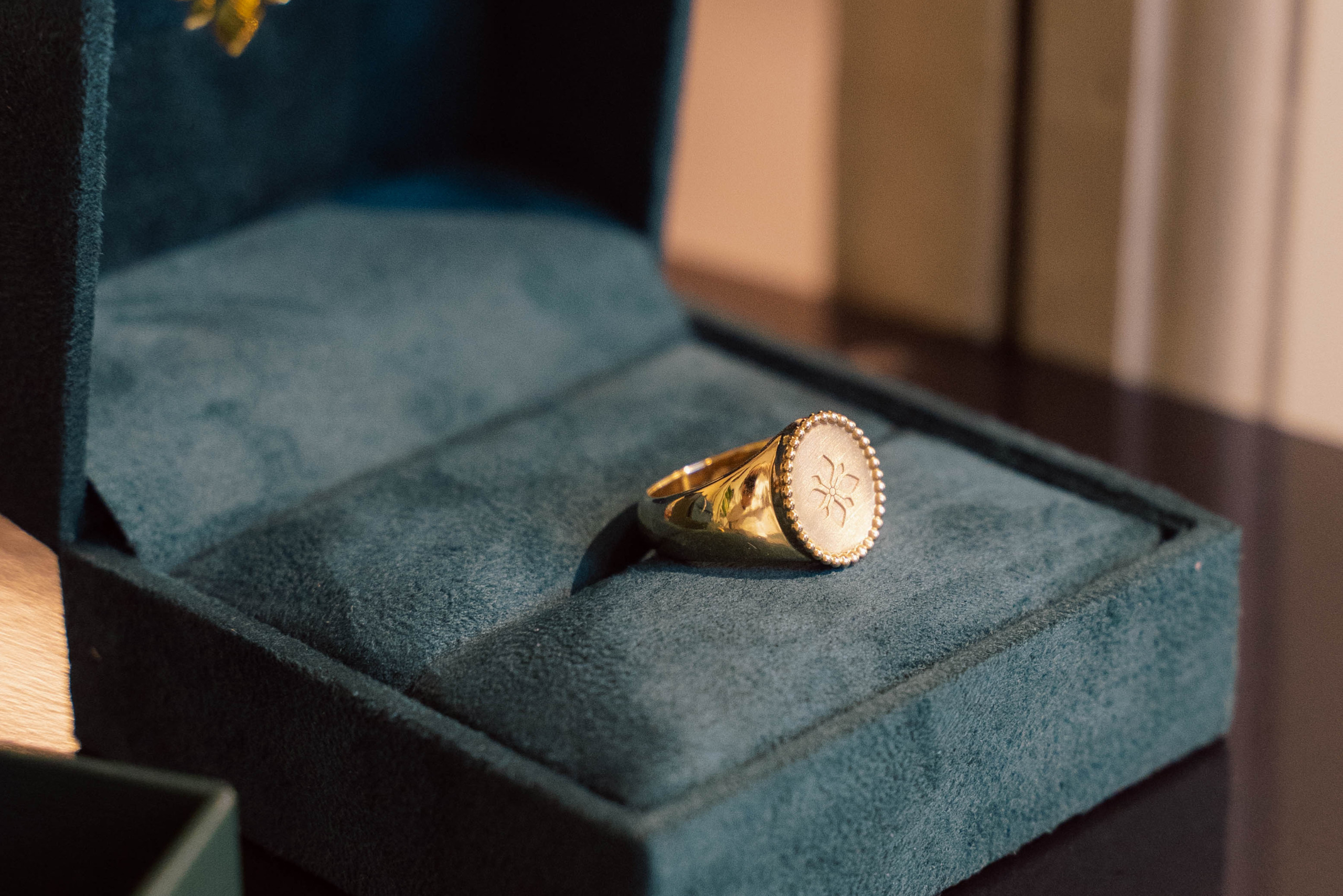
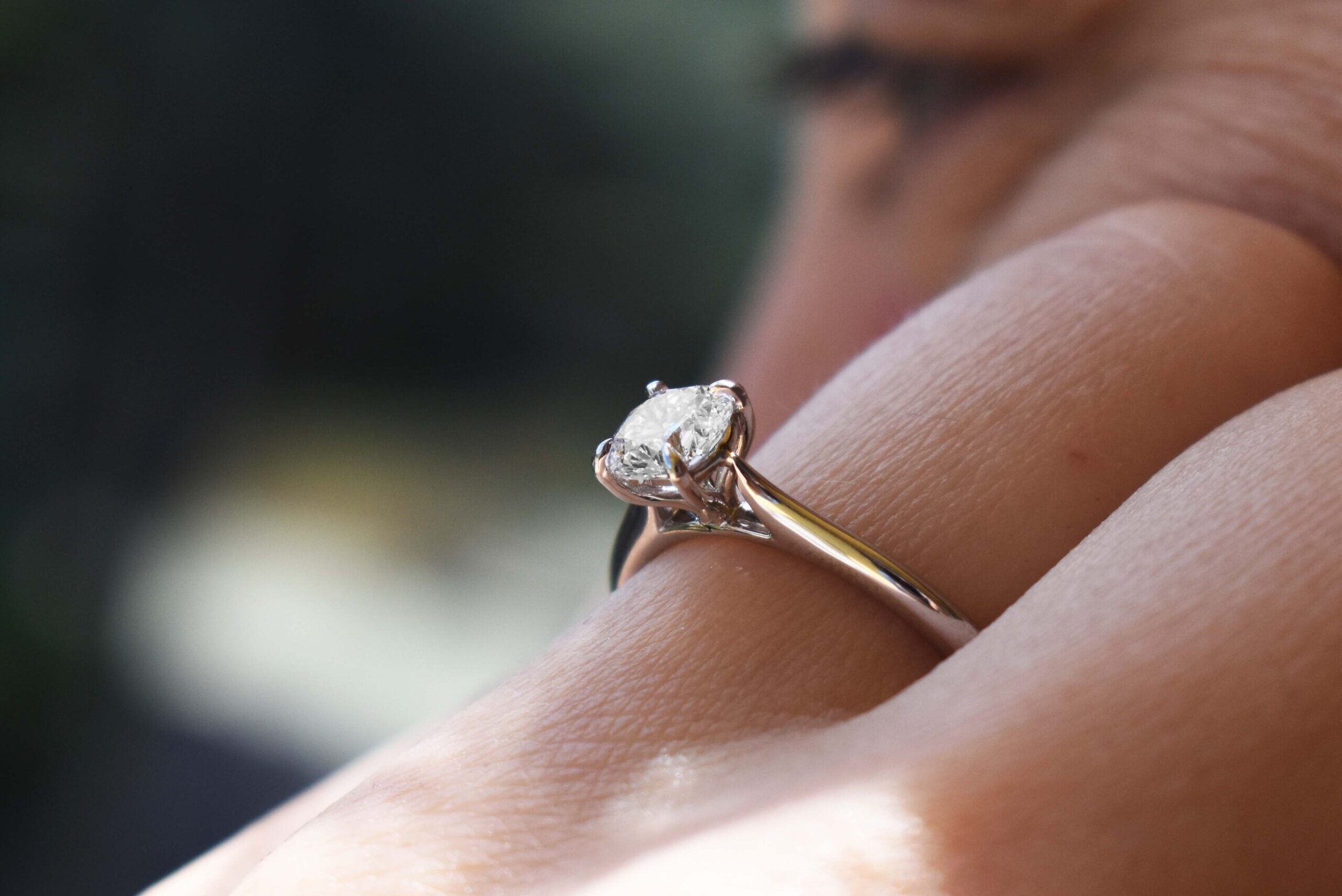
950 platinum is available on request as an alternative to white gold across all our jewellery. If you’re considering a platinum engagement ring, a wedding band, or a bespoke piece and want to explore this option, write to us or come and visit us at our Florence Atelier, Fabio is the right person to talk to.
Have questions about platinum or want to understand if it’s the right choice for you?
Contact us: on this page you’ll find all our details to get in touch with us.
We’re here,
Chiara e Fabio