





Lab-Grown Diamonds: the revolution that is changing the world of jewelry
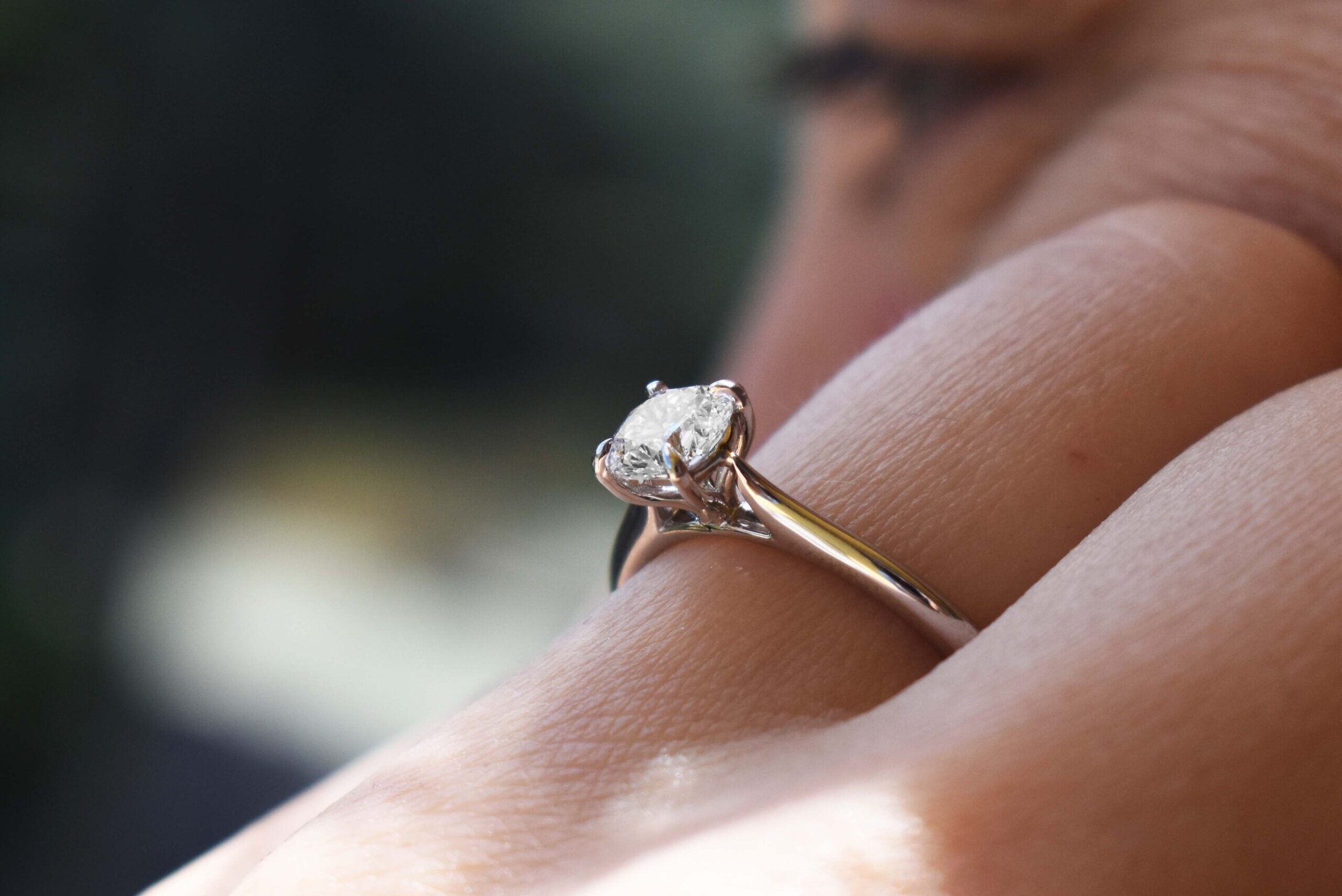
Lab-grown diamonds represent the natural evolution of the diamond industry: cutting-edge technology that recreates diamonds in the laboratory that are identical to mined ones – in every single way – but with a completely traceable and ethical supply chain.
If you’re considering purchasing a piece of jewellery with a lab-grown diamond, here you can find all the key information about this fascinating alternative to mined diamonds.
The Story of a Scientific Revolution
It all began in the 1950s, when Howard Tracy Hall, a visionary chemist at General Electric, posed a revolutionary question: “Why depend on mines when we can recreate diamonds in the laboratory?”
After four years of attempts and failures, in 1954 Hall succeeded in his endeavour: the first laboratory diamond was born. What began as an industrial project has transformed into a true revolution that today allows anyone to own genuine diamonds of exceptional quality.
Since then, the technology has made tremendous strides and, being a relatively new commodity, it needs to be explained thoroughly to avoid the pitfalls of misinformation that circulates online.
What is a lab-grown diamond made of?
Pure carbon – exactly like mined diamonds – with atoms that form in structures identical to those of mined diamonds.
Not even gemmologists can find differences between the two diamonds with the naked eye. Specific equipment is required that examines the structure of atoms to notice any differences, and precision is never guaranteed.
How are lab-grown diamonds created?
There are two main methods:
HPHT (High Pressure, High Temperature)
The pioneering method that recreates the conditions of the Earth’s mantle
– Pressure of 1.5 million pounds per square inch,
– Temperatures exceeding 1,482°C,
– A small diamond seed literally grows before the scientists’ eyes.
CVD (Chemical Vapour Deposition):
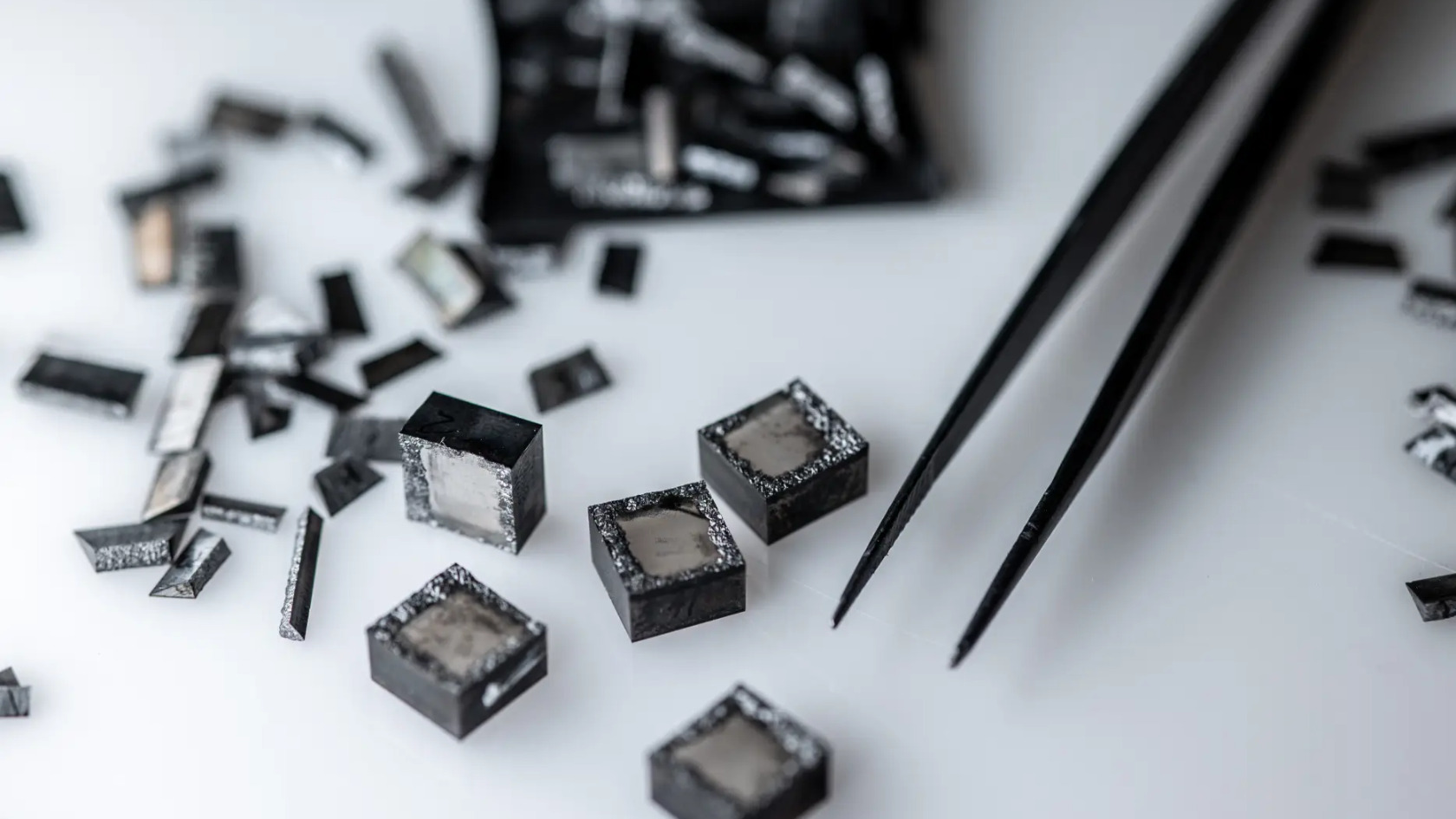
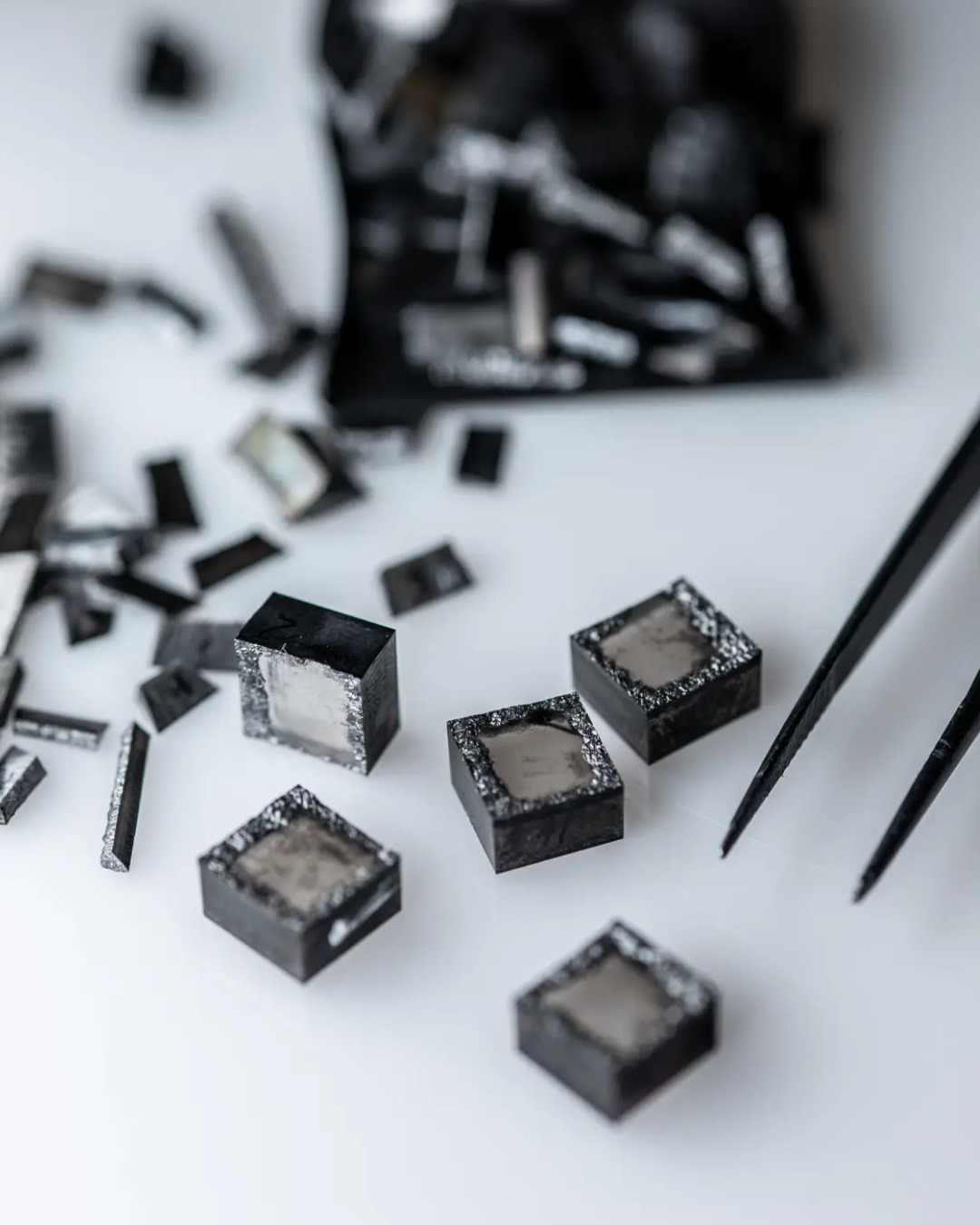
The technology of the future, the one we choose at Fàbera.
In 2015, a team of engineers led by R. Martin Roscheisen perfected this revolutionary technique:
– Controlled chamber heated to over 760°,
– Carbon-rich gases transformed into plasma,
– Growth atom by atom, for unmatched purity.
All Fàbera diamonds are produced using the CVD approach.
Where are lab-grown diamonds produced?
All over the world and, unlike mines, they are constantly improving in terms of efficiency.
As for our lab-grown diamonds, they come from highly specialised laboratories – primarily in India – managed by qualified teams of scientists and engineers who use only the most cutting-edge technology.
In the case of Fàbera jewelry, the diamonds come from laboratories that use solar energy to minimise their environmental impact as much as possible.
So can one say that lab-grown diamonds are real diamonds?
Absolutely yes.
A diamond created in a laboratory is a real, authentic diamond, as it is created with pure carbon, which gives it physical and chemical properties identical to a mined diamond.
“Fake” diamonds such as cubic zirconia, moissanite, white sapphire and spinel are usually easy to spot, even for an untrained eye. These are, for example, more easily scratched.
The FTC (Federal Trade Commission) in USA has also recently changed the definition of a diamond by removing the word ‘natural’ from it to include the laboratory-grown variety.
“[Lab-created diamonds] are not fake. They are not cubic zirconia. They have the same physical and chemical properties as a mined diamond,” states Stephen Morisseau, spokesperson for the Gemological Institute of America (GIA).
All the major world gemmological institutes – HRD e IGI – certify lab-grown diamonds in exactly the same way that mined diamonds are certified.

Why purchase Fàbera lab-grown diamonds?
SOCIAL IMPACT
Creating lab-grown diamond means having total control over the entire production chain.
From creation to delivery of the diamond to the consumer, grey areas are avoided in favour of a completely transparent supply chain. Mined diamonds, on the contrary, often come from untraceable supply chains and from regions where conflicts occur, along with human rights violations and child labour.
ENVIRONMENTAL IMPACT
One certainly cannot claim that their production is 100% sustainable. There’s still a long way to go, but laboratory diamonds are undoubtedly less harmful to the environment and surrounding communities compared to mined diamonds. The latter require much more energy to extract one carat of diamond from the earth compared to producing a diamond in a laboratory, not to mention the enormous craters in the ground that form from diamond extraction.
In a study conducted by Frost & Sullivan, it states that the production facilities used to create laboratory diamonds “are often situated in areas that have a negligible impact on the environment and have almost no impact on biodiversity.“
QUALITY & ECONOMIC ACCESSIBILITY
The creation of a lab-grown diamond is more efficient and cost-effective compared to the extraction process. Each diamond is unique and its quality is also based on the 4Cs, just like mined diamonds. From an economic standpoint, one carat of lab-grown diamond with the same qualities as a natural diamond costs 50%-60% less. Many manufacturers are entering the laboratory diamond market, causing a devaluation of the diamond. The real differentiation comes from certification and sustainable production of the diamond.
SUSTAINABILITY CERTIFICATE
When you purchase a lab-grown diamond (as well as a mined diamond), always remember to ask for sustainability certification from the seller. This way you’ll know where the diamond was produced, how much energy was used to produce it, and you’ll have the assurance that there was no exploitation of workers.
We are certified SCS-007 Sustainability Rated Diamond!
Ethical diamonds. Italian craft. Your story.